The annual Faculty Excellence Awards celebrated professors across the University for their dedication to creating transformational learning opportunities for students and supporting them in and out of the classroom.
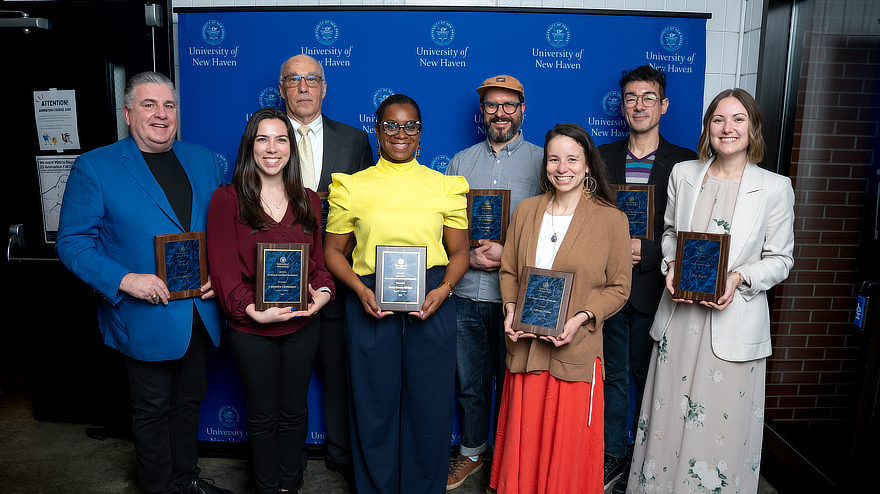
At the conclusion of the spring semester, several faculty members were recognized for their unwavering support of our students and their commitment to teaching and transforming lives, in the classroom and beyond.
“Our faculty are not only global experts and researchers, but extraordinarily committed educators who consistently go beyond what is asked of them,” President Jens Frederiksen, Ph.D., said at the annual Faculty Excellence Awards celebration. “It is this combination of intellect, dedication, and resilience that positions our students for remarkable success and gives this institution its future.”
This annual event highlights the exceptional contributions of our distinguished faculty members and the lasting impact they have on students, inside and outside the classroom.
This year, 10 faculty members were recognized out of dozens who were nominated.
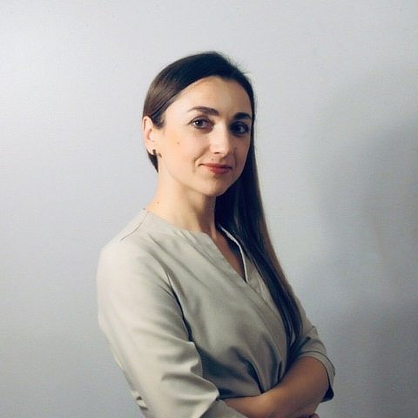
Excellence in Experiential Education
R. Lillianne Macias, Ph.D., an associate professor in the Department of Psychology and Sociology, received the Excellence in Experiential Education award.
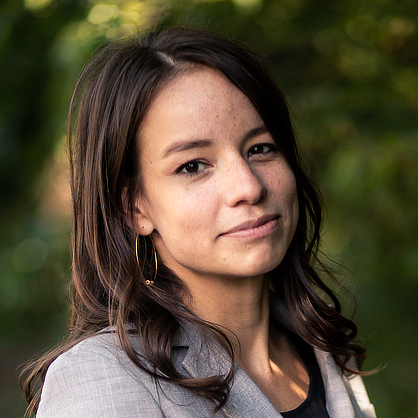
“Experiential learning is infused throughout my roles in teaching and research,” Macias explained. “Each year graduate students enrolled in my service-learning course Program Evaluation develop research skills by assisting local nonprofits and University programs with evaluations of community need, program implementation, and/or program outcomes. Students work with real clients to determine evaluation questions and methods, write proposals, collect or analyze data, and provide a professional evaluation report with recommendations.”
A colleague noted the impact Dr. Macias has had since she was appointed in 2020 as the director of Research and Evaluation for Esperanza United, which works to end gender-based violence in Latino communities.
“In this role, she oversees and guides research that enhances Latin@ organizations and communities,” the individual wrote. “She also works on a multidisciplinary team to help address health, education, and economic disparities facing Latin@ and other marginalized communities. This opportunity is not just amazing for Dr. Macias, but it provides amazing opportunities for students to engage in this important work.”
“Through our work together, including conference presentations, and being taught by her Program Evaluation course, I gained essential skills in presenting scientific data, writing evaluation reports, and preparing professional posters and proposals,” a student wrote. “I have seen Dr. Macias excel as a professor, mentor, advisor, and leader, and she sets a powerful example of how to balance excellence with humanity.”
Excellence in Fostering Community and Industry Relationships

Janet Garcia-Hallett Ph.D., an associate professor in the Department of Criminal Justice and Criminology, was this year’s recipient of the Excellence in Fostering Community and Industry Relationships.
In 2024, Garcia-Hallett founded JGH Justice Alliance LLC, “which offers research consultation and speaking engagements on the critical issues surrounding parental incarceration,” a colleague wrote. “She collaborates with community-based organizations to provide support and resources to individuals affected by incarceration, thereby building stronger and more resilient communities.”
Additionally, Dr. Garcia-Hallett is one of the organizers of the annual Blossoming Beyond Bars: Women’s ReEntry Wellness Conference, which brings together, “system-impacted women with service providers and community partners to foster empowerment, community care, and long-term stability through access to resources,” the colleague continued. “By placing research findings directly in the hands of participants, the conference bridges scholarship and community, reinforcing a space where lived experience, research, and empowerment intersect.”
“Through this work, Dr. Garcia-Hallett has not only created a bridge between higher education and marginalized communities, she has built an entire framework of reciprocity, dignity, and transformative engagement,” a community collaborator wrote. “Her efforts continue to inspire systemic change and collective healing at both the institutional and grassroots levels.”
Excellence in Faculty Service to the University
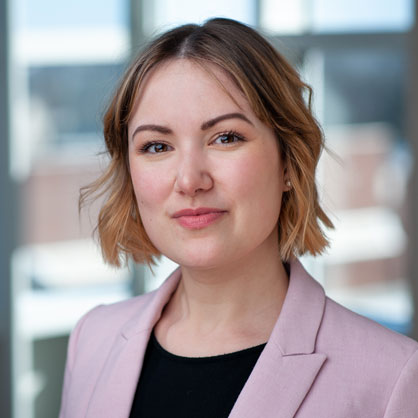
Taylor Bigelow, Ph.D., an assistant professor in the Department of Psychology & Sociology and coordinator of Clinical Mental Health Counseling, was the recipient of the Excellence in Faculty Service to the University award.
Multiple nominations for Dr. Bigelow referenced her successes in leading the Clinical Mental Health Counseling graduate program and transforming it.
The program now is among the fastest growing at the University of New Haven, and its online version is ranked #2 in the country by CounselingPsychology.org. Additionally, the program’s accreditation through CACREP was secured, all while Dr. Bigelow was modernizing the curriculum and creating new online courses.
“She does not lead from a distance; rather, she works alongside her colleagues as a true teammate,” a colleague and collaborator wrote. “She remains connected to every part of the work, whether it involves administrative responsibilities, faculty collaboration, student engagement, or program development. This hands-on approach fosters a strong sense of community and shared purpose within our unit.”
Dr. Bigelow also shared her plans and philosophy, saying, “my leadership philosophy centers on service, collaboration, and community. Whether guiding accreditation, strengthening alumni networks, supporting interprofessional education, or expanding experiential learning opportunities, my goal is to build sustainable initiatives that elevate both our students and the counseling profession.”
Dr. Bigelow also shared that she was working on a graduate-level study abroad experience in Italy this summer, which would “expand experiential learning opportunities for counseling students while also strengthening recruitment and retention through distinctive global programming that remains uncommon within graduate counselor education.”
Excellence in Curriculum Development
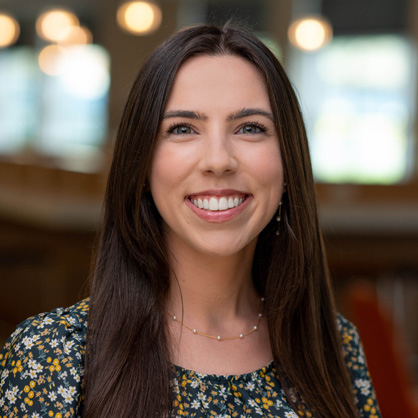
Cassandra Champagne, Ph.D., an assistant professor of practice in Civil and Environmental Engineering, as well as coordinator of B.S. in Civil Engineering, was the inaugural recipient of the Excellence in Curriculum Development award, which was introduced this year.
Dr. Champagne has led the development and coordination of several innovative accelerated degree pathways, including the BSCE 3+1 program, which creates a more streamlined option for students to earn undergraduate and graduate degrees in an accelerated time timeframe.
“Dr. Champagne’s work reflects careful alignment of undergraduate and graduate curricula, thoughtful program design, and sustained collaboration across degree programs,” a nominator wrote.
A colleague also wrote that Dr. Champagne’s contributions “reflect not only thoughtful curriculum design but also strategic program positioning that strengthens the department’s competitiveness and institutional growth.”
Additionally, her outreach in professional and high school settings has proven to be successful, as prospective students at recent open houses noted they were well aware of the 3+1 program.
Excellence in Research and Scholarly Activity: Publications and Creative Products in the Arts and Humanities
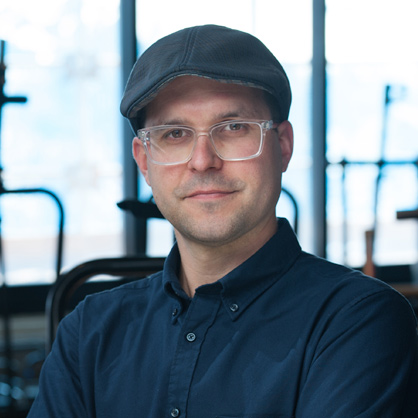
Joseph Smolinski, MFA, a professor of practice and coordinator of Art & Creative Technology in the Department of Art & Design, was the recipient of the Excellence in Research and Scholarly Activity award that focuses on publications and creative products.
Multiple nominations shared how impressed they were with Prof. Smolinski’s recent exhibits, including solo exhibitions, residencies, and community-engagement projects.
Some of the projects include:
- Thin Ice at Real Art Ways in Hartford, CT
- Vanishing Point, a comprehensive solo exhibition in Seton Gallery
- A residency at the Vermont Studio Center
- Service as a resident artist for Two Coats of Paint
- Co-founding and co-directing Low Season Artist Projects
- Presenting work in the exhibition ÆMPIRE AGAIN\ at Artspace Gallery in Hartford
- An exhibition at the Fairfield University Art Gallery entitled For Which It Stands
Regarding his work in the University’s Makerspace, a colleague said, “through his leadership in digital fabrication and his commitment to interdisciplinary exploration, Joe has significantly enriched the University’s creative culture. He has expanded how creative practice can function as scholarly inquiry while simultaneously empowering students to become inventive makers and thinkers. His work demonstrates that innovation often emerges at the intersection of disciplines, tools, and that spaces dedicated to making can serve as powerful laboratories for both research and learning.”
Excellence in Teaching by Adjunct Instructors
Robert Araujo, an adjunct professor in the Construction Engineering and Management graduate program, was this year’s recipient of the Excellence in Teaching award for adjunct instructors.
“Professor Araujo exemplifies evidence-based teaching practices and innovative instructional approaches that enhance student learning and professional development,” a colleague wrote. “His courses emphasize critical thinking, real-world applications, and hands-on problem-solving, effectively bridging theory and practice. Students consistently commend his clear explanations, engaging teaching style, practical industry examples, and well-organized course structure. He fosters an inclusive and supportive classroom environment that encourages active participation and intellectual curiosity.”
Students consistently highlight Prof. Araujo’s interactive teaching style, effective use of presentations and real-world examples, and his ability to foster confidence, communication skills, and active participation.
“His teaching opened my eyes to the field of environmental engineering, which I am now pursuing,” a student wrote. “Through his guidance and the way he framed engineering as a powerful tool for sustainability, I gained clarity about my future direction. His passion for the subject is evident, and it is contagious.”
Excellence in Teaching by Practitioners in Residence
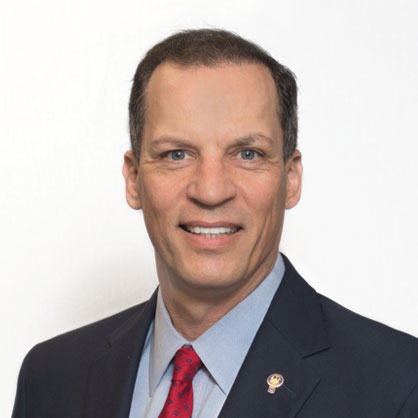
Thomas Reynolds, Ed.D., a practitioner in residence in the Department of Human Sciences, received the Excellence in Teaching award for practitioners in residence.
Dr. Reynolds students have resoundingly expressed that their goals are being met.
“Politics can seem like an extremely tense subject, but Dr. Reynolds creates an unbiased educational environment where students, no matter their political position, can share their opinions and create discussions with other students to shift each other’s perspectives,” a student wrote. “He encourages students to share, discuss, and communicate, which not only educates students using real world examples but teaches students communication skills that will be useful for post graduate environments.”
“The goal of learner-centered teaching is to develop my students’ capacity for academic growth and future learning,” Dr. Reynolds said. “I want them to become self-motivated, lifelong learners with intellectual curiosity and foundational skills in critical thinking, analysis, writing, public speaking, complex reasoning, and problem-solving. Lastly, I hope that the learning process will challenge their long-held assumptions and attitudes about government and politics and inspire them to embrace the opportunities and responsibilities of citizenship. These are the learning outcomes that will be the most enduring and meaningful.”
Excellence in Teaching by Professors of Practice and Clinical Professors
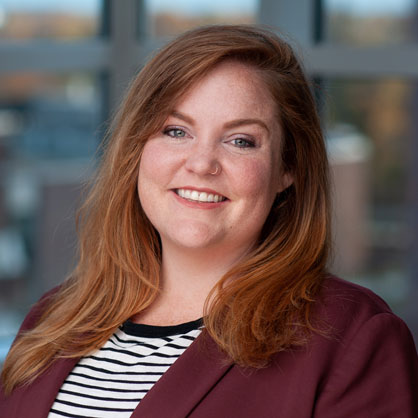
Melanie Walsh Ph.D., a clinical assistant professor and clinical fieldwork coordinator in the Department of Psychology & Sociology, was this year’s recipient of the Excellence in Teaching award for professors of practice and clinical professors.
Colleagues in the department said Dr. Walsh, “fosters classrooms that encourage curiosity, thoughtful dialogue, and critical reflection. Students are challenged not only to understand theoretical frameworks but also to apply them to real-world counseling contexts.”
Additionally, she supports the Clinical Mental Health Counseling program through her role as fieldwork coordinator, and the insights she gathers are incorporated directly into her curriculum development and teaching, resulting in the implementation of new elective courses designed and developed from scratch.
“These electives have quickly become among the most sought-after offerings in the Clinical Mental Health Counseling program,” a colleague wrote. “Each semester, they reach capacity and generate waitlists, with students frequently requesting additional seats. The enthusiasm surrounding these courses speaks not only to their relevance within the field but also to Dr. Walsh’s ability to design engaging and meaningful curriculum that directly responds to student and professional needs.”
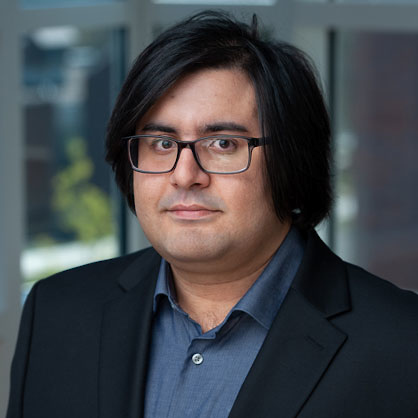
Excellence in Teaching by Tenured and Tenure-Track Faculty
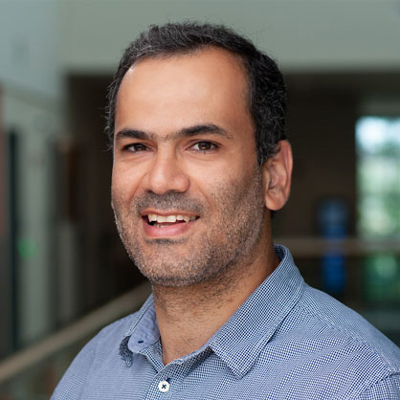
Mohamad Nassar Ph.D., an assistant professor in the Department of Electrical & Computer Engineering and Computer Science, received the Excellence in Teaching award for tenured and tenure-track faculty.
Dr. Nassar says he teaching philosophy is captured by a quote from Mark Twain: “I have never let my schooling interfere with my education.”
“I believe that an excellent teacher is one who gradually renders their own presence redundant, empowering students to become independent thinkers, problem-solvers, and lifelong learners,” Nassar said. “Beyond the classroom, I invest heavily in individualized mentoring. I meet regularly with students to discuss their academic paths, research interests, and career aspirations. Together, we craft actionable plans aligned with their goals.”
Colleagues said Dr. Nassar is a dedicated and passionate instructor, “who creates a positive and interactive learning environment. His mastery of subject matter, coupled with his rapport with students, results in a highly effective and engaging classroom. Student evaluations consistently reflect Dr. Nassar’s enthusiasm, clarity, and student-centered approach. They describe his teaching as patient, engaging, and highly relevant to real-world applications.”
Students are also complimentary, saying what distinguishes Dr. Nassar is not just how clearly he explains complex material, but how he designs learning experiences.
“His classes are structured in a way that ensures we actively engage with ideas rather than passively absorb them,” a student wrote.
Last Lecture
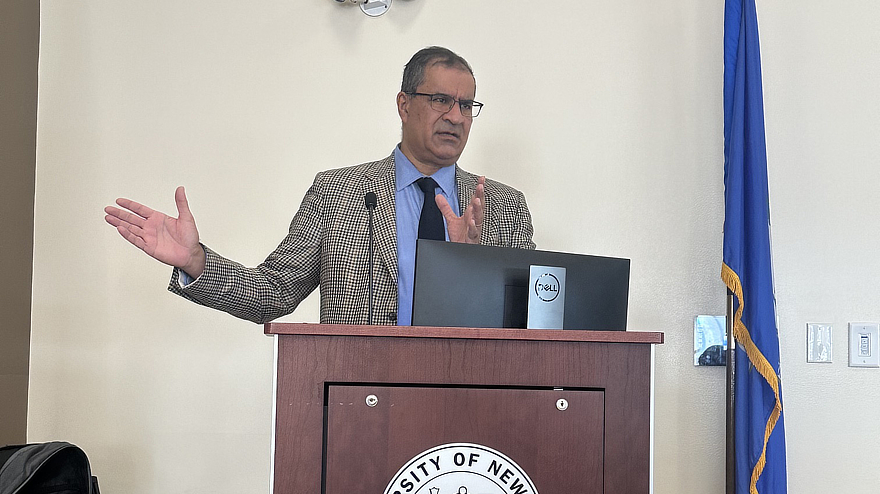
Additionally, the annual faculty awards celebration traditionally welcomes a faculty member to deliver a “last lecture.” This year’s address was delivered by Robert McDonald, assistant professor of practice in the Department of Criminal Justice and Criminology.
McDonald’s history with the University of New Haven spans 42 years. He started out as a student, kept in touch during his professional career, then found his way back to campus as an educator.
McDonald’s presentation highlighted the University’s lasting impact on his education, career successes in law enforcement and professional sports, and his return to the classroom as a faculty member.
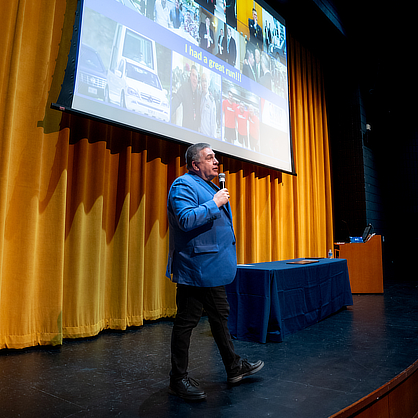
Additionally, he focused on outlining three “ships” that he said he believes helped shape his overall development: Leadership, Mentorship, and Friendship.
While having confidence, integrity, and good communication are qualities of being a good leader, McDonald emphasized that you also need people behind you.
“If there’s nobody behind you, you’re not leading,” said McDonald, who has a master’s degree in management and leadership from Johns Hopkins University.
He also spoke about perpetual optimism and described how it is a force multiplier, reminding his colleagues that positivity is contagious. “The glass should always be half full,” he said. “It may be half empty, but that means it’s also half full.”Using the impactful acronym FEVER, McDonald challenged his colleagues to focus on some essential qualities that foster meaningful mentorship, including to be flexible, engaging, visible (outside of the classroom), encouraging of different views, and radiant through instruction.
McDonald ended his lecture shedding some light on the importance of friendship and the hard work that needs to be put into maintaining those relationships.
He shared a heartbreaking story about his college roommate, a friendship he had for 44 years. That friend had recently retired last August, celebrated his daughter’s engagement around Thanksgiving, and then suddenly passed away in December.
“Pick up the phone and call a friend. You may not have the opportunity to do it tomorrow,” McDonald emphasized.
McDonald closed his lecture by reminding his colleagues that their dedication and hard work is all for the students, challenging them to take what he talked about with them into the next semester.
Contact
Get the highlights!
Stay up to date with our weekly e-newsletter, highlighting stories from around the University and media clips featuring our faculty experts.
Recent News
Charger 360
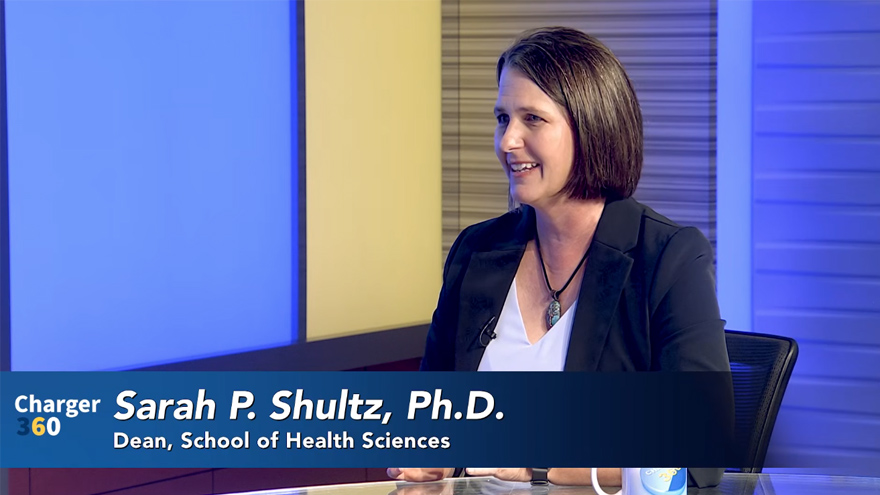
Season 5, Episode 2: Sarah Shultz
In the Media