A series of online discussions have enabled faculty members to stay connected while teaching remotely, offering a platform for them to support each other and share what they have learned from their students.
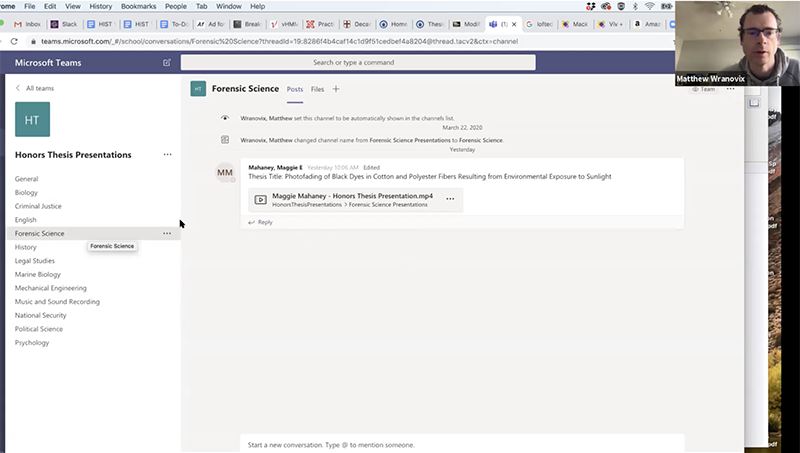
Matthew Wranovix, Ph.D. wanted to make sure the students in the University of New Haven’s Honors program could still complete their theses and share their research with the campus community despite the global coronavirus pandemic.
Students typically showcase their projects on campus, giving oral presentations, displaying their research posters, and answering questions from the University community. Because students completed their coursework remotely this spring, he wanted to find a new way for them to share their research.
Using Microsoft Teams, Dr. Wranovix created a space for students to share their work online. He sent students instructions for recording their presentations, and they uploaded their work to share it with their classmates and professors.
"I was amazed and inspired by the performance of these students," said Dr. Wranovix, director of the Honors program. "Many of them had to alter their research methodologies after the campus closed, compose their theses away from the resources and quiet spaces offered by our library, and master a new format to present their results. Nevertheless, they were able to finish their theses and effectively share the results of all their hard work with the University community."
"I was amazed and inspired by the performance of these students."Matthew Wranovix, Ph.D.
Dr. Wranovix shared his ideas with his colleagues in a recent "Coffee and Course Continuity Conversations" discussion, a regular series of Zoom meetings that enabled faculty members to share best practices and support each other as they taught online.
"We created this series to help faculty members adjust to the remote-teaching environment," said Stuart Sidle, Ph.D., executive director of the University’s Center for Teaching Excellence. "Many faculty and staff members have incredible expertise to share that all of us who are teaching remote courses can benefit from. The feedback from the faculty has been positive."
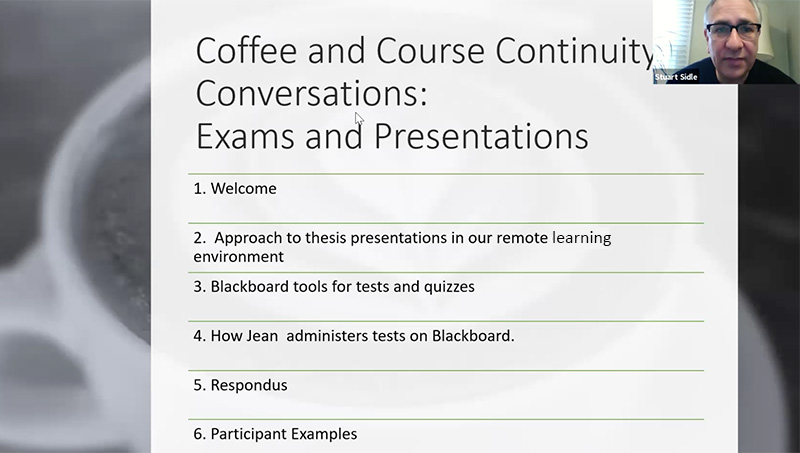
During one particular conversation, more than 40 faculty members, including Prof. Crystal Cohen, discussed administering exams online and virtual student presentations. Other sessions have covered topics such as helping students adjust to remote learning and delivering feedback to students.
During the session, faculty members became the students, learning from each other as they discussed what has worked well for them and asked questions. They also shared what they gleaned from their students as they adapted to teaching remotely.
Tina Zito, Ph.D., a biology professor, says some of her students were reluctant to present on Zoom, but she gave them the freedom to experiment with how they shared their findings.
"They came up with creative ways to use emojis or different characters to show who they were," she said. "I have students scattered around the globe, and I was impressed. They were pretty creative. You see some interesting alternatives when you give students options."
During the discussion, Alan MacDougall, director of educational technology, introduced faculty members to Respondus, an online tool for proctoring exams remotely. He discussed designing an exam in Blackboard and showed them how to find daily training webinars.
Kate Miller, Ph.D., a biology professor, discussed the tools she and her students have been using online, such as Perusall, a social annotation tool, and PeerMark, a peer review assignment tool, and how well they have worked in her classes, while Diane Smith, a distinguished lecturer in the University’s Communication, Film and Media Studies Department, shared her students’ success when delivering presentations via Zoom.
Jean Nocito-Gobel, Ph.D., a civil and environmental engineering professor, discussed how she arranged for her students to submit their calculations and show their work as part of their exams. She has also been available online while her students have taken exams so she can answer their questions.
"I send them instructions the night before exam, and I remind them to periodically save their files during exams," she said. "I get to see all the work they're doing. It's worked well."
The faculty discussions on course continuity have been recorded, and professors who were unable to attend in real-time have been able to watch the sessions on demand. The conversations have been a good way for faculty members to stay connected while learning from each other – and their students.
"It's fun to give the students some control and to see what they do," said Suzanne Murphy, M.A., a lecturer in the University’s Communication, Film and Media Studies Department. "It is going to be their world, after all."
Contact
Get the highlights!
Stay up to date with our weekly e-newsletter, highlighting stories from around the University and media clips featuring our faculty experts.
Recent News
Charger 360
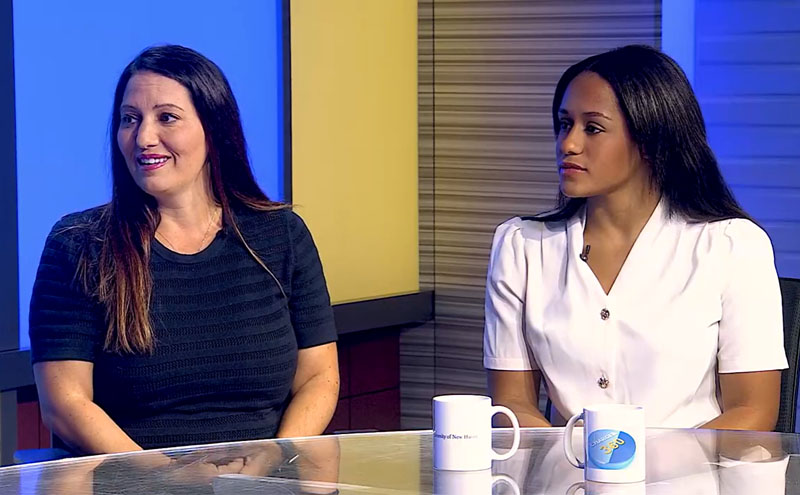
Season 5, Episode 4: Ashley McClain ’07 and Ariana James ’27
In the Media