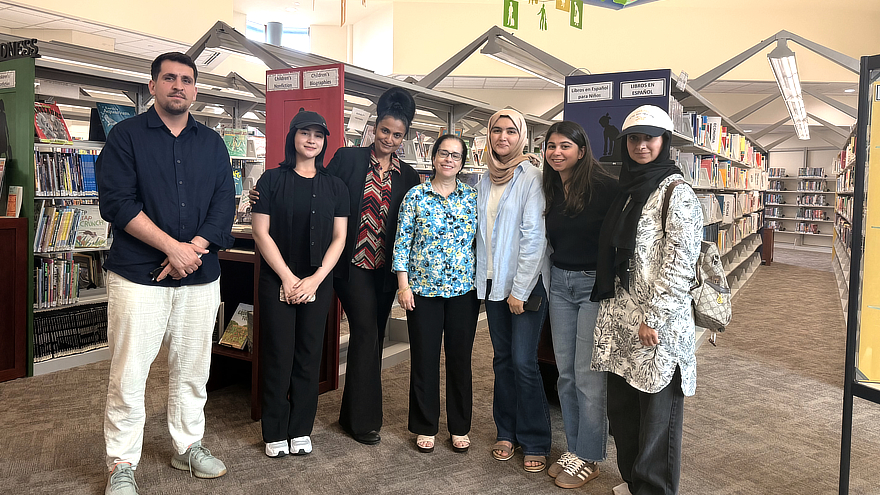
A virtual Capture the Flag competition sponsored by the University’s Connecticut Institute of Technology brought more than 6,000 participants together for a student-led cybersecurity Capture the Flag competition, showcasing the impact of hands-on cybersecurity education and student leadership.
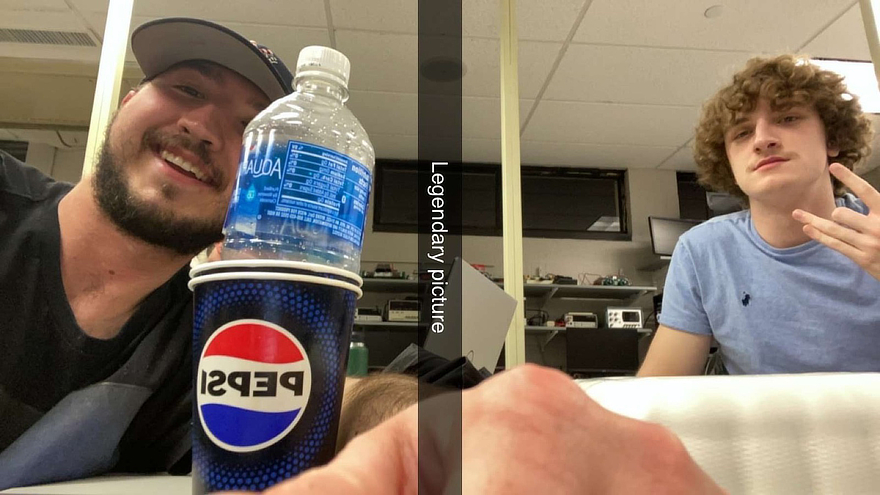
The University of New Haven's Connecticut Institute of Technology once again brought students, professionals, and cybersecurity enthusiasts together for CTF@CIT 2026, a virtual cybersecurity Capture the Flag competition, sponsored by the University’s Connecticut Institute of Technology, paired with an in-person networking event designed to connect participants with peers, mentors, industry professionals, and the broader cybersecurity community.
I founded CTF@CIT three years ago, and it has grown from a grassroots student-led competition into one of the largest cybersecurity competitions in the nation, bringing together more than 6,000 participants over the years and collectively securing more than $100,000 in sponsor support.
Capture the Flag competitions are a major part of cybersecurity education, giving participants the opportunity to solve technical problems across areas such as forensics, cryptography, reverse engineering, web security, binary exploitation, OSINT, and more. For many students, these competitions are where a passion for cybersecurity first takes shape, giving them the chance to explore the field and develop real-world technical skills in an engaging and practical environment.
Having first developed my cybersecurity skillset through Capture the Flag competitions in middle and high school, I created CTF@CIT in 2024 to make high-quality cybersecurity education more accessible, more engaging, and more community driven. Since its launch, I have directed the event's growth into a nationally recognized competition with more than 6,000 total participants.
That growth has been supported by significant industry backing. For the 2026 event alone, we secured more than $60,000 in funding, prizes, infrastructure, software licenses, training resources, and sponsor contributions, giving participants access to opportunities that extended beyond the competition.
‘Student-driven model’
As a recent University of New Haven graduate, cybersecurity researcher, published author, and leader within the broader cybersecurity community my work spans offensive security, reverse engineering, obfuscation, cryptography, agentic AI systems, and hands-on cybersecurity education.
During my time at the University, I served as president of cyber@CIT, co-founder of the University’s Linux club, captain of the University's hacking team, and a teaching assistant for courses in ethical hacking and reverse engineering. I helped mentor students, organize weekly meetings, and contribute to the team's competitive success, while winning numerous cybersecurity competitions and placing highly in many others.
This year's CTF@CIT was another major success, expanding the scale, visibility, and quality of the competition. The event was entirely student led, run by current and former University of New Haven students, alongside a small group of current and former students from Roger Williams University and other nearby schools.
That student-driven model has become one of the defining strengths of CTF@CIT, showing what is possible when students are trusted to build, lead, and execute an event on both a national and global scale.
We're incredibly fortunate to have such a talented team supporting CTF@CIT. Many of our organizers and challenge authors are experts in their respective fields, and the creativity, technical knowledge, and time they contribute are a major reason the competition continues to improve each year.
‘Outreach, storytelling, and consistency’
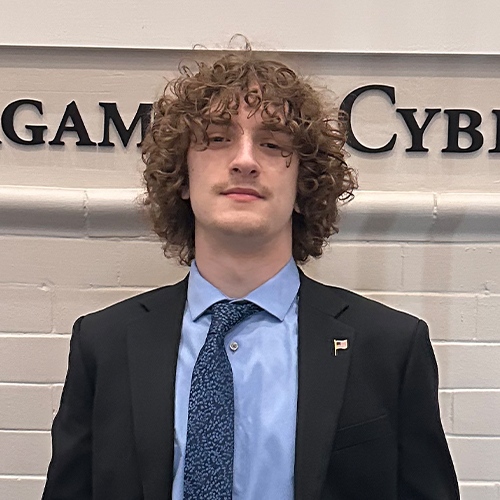
A major addition to this year's competition was IZT, which joined as a new infrastructure sponsor and played an instrumental role in supporting the event. Reliable infrastructure is essential for a virtual competition of this size, and IZT's support helped ensure that participants could focus throughout the event.
CTF@CIT 2026 was also made possible through the generous support of its sponsors, including Altered Security, ANY.RUN, Binary Ninja / Vector 35, Black Hills Information Security, Caido, Digital Defenders, Electronic Frontier Foundation, Epiq, Hex-Rays, Hexordia, IZT, Microsoft, MRE Security, OffSec, RET2 Systems, The Tor Project, Trail of Bits, and Zellic.
The 2026 competition also benefited from the work of several new challenge authors. Their contributions helped expand the depth, variety, and creativity of the challenge set, giving participants more opportunities to test their skills across different areas of cybersecurity. From beginner accessible problems to more advanced technical challenges, the competition was designed to support both learning and serious technical growth.
This year also gave me the opportunity to learn a great deal about digital marketing and community engagement. In previous years, I took the lead across nearly every part of the event. For 2026, I continued leading those efforts while also putting significant time into social media marketing, especially through LinkedIn.
This year taught me a lot about digital marketing and how important it is to communicate the value of an event. We had already built something strong technically, but I learned that outreach, storytelling, and consistency are what help people discover it. The foundation we built this year will play an even bigger role in the continued growth next year.
‘One of the kindest and most supportive people’
This year's event also included a tribute to Anthony "Tony" Yannella '25, a valued member of the University's cybersecurity community. We included the "Yannella Challenge,” which highlighted his being recognized by the U.S. Department of Energy for responsibly identifying and disclosing a security vulnerability, a genuinely impressive achievement that most cybersecurity professionals never come close to.
Tony was one of the kindest and most supportive people I knew. He was always the first person to congratulate you on your achievements, no matter how small they seemed, and he was always cheering you on. He had a way of making people feel proud of their progress, and I wanted this tribute to honor not only what he accomplished, but also the kind of person he was.
Tony believed in us. He would often tell me that I should run for president. When I asked, “President of what?” he would grin and say either “the United States” or simply, “I don't know.” I'll forever miss his jokes, his support, and his positive attitude.
‘Building major national opportunities’
Cybersecurity is not only about technical skill. It is also about community, mentorship, and the people who help others grow.
CTF@CIT has always been about more than competition. It is about creating access, building community, and helping students develop the practical skills that define the cybersecurity field.
The success of CTF@CIT 2026 reflects the University's role as home to Connecticut's best cybersecurity program, where students are not only learning cybersecurity, but building major national opportunities for others to learn as well.
The event’s success shows the increasing demand for practical, hands-on cybersecurity education. It is a major national event, connecting thousands of participants with the skills, tools, and community needed to grow as cybersecurity practitioners.
Contact
Get the highlights!
Stay up to date with our weekly e-newsletter, highlighting stories from around the University and media clips featuring our faculty experts.
Recent News
The Charger Blog
University of New Haven Student-Organized Law Enforcement Showcase Highlights Diverse Career Paths
The Charger Blog