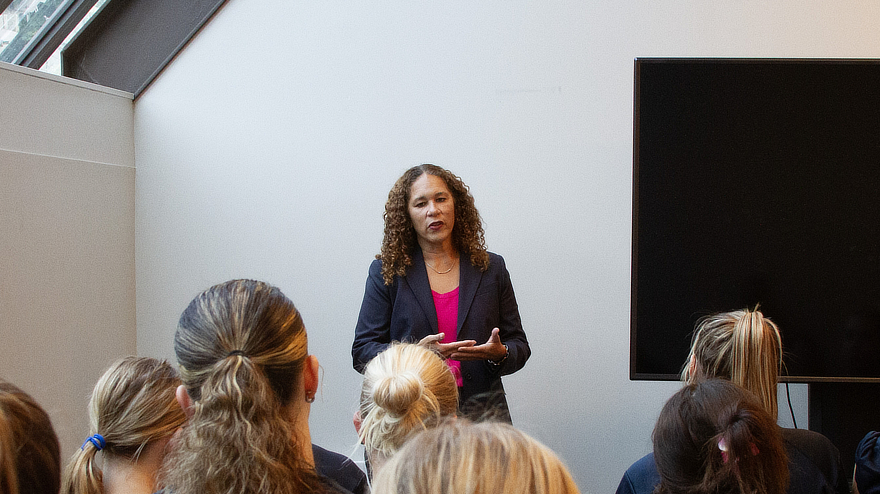
When teaching remotely, Stephanie Gillespie, Ph.D., has learned how to create engaging, interactive, and hands-on experiences for students.
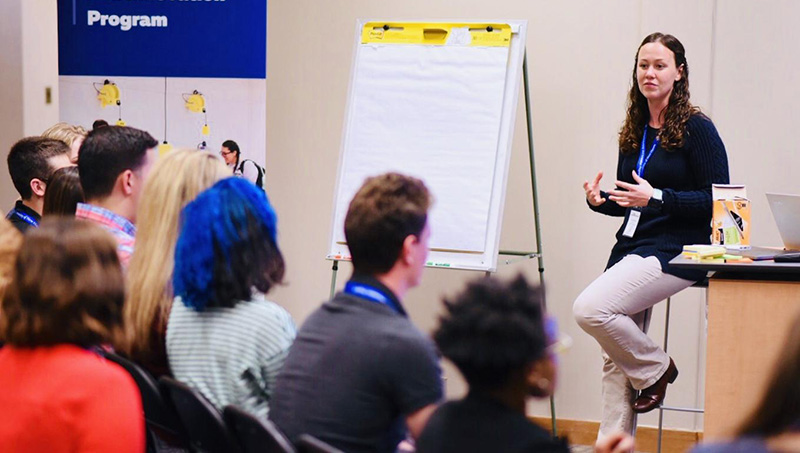
When the University of New Haven transitioned to remote learning during the spring semester amid the global coronavirus pandemic, Stephanie Gillespie, Ph.D. looked at is an opportunity to keep finding new ways to ensure that her students would continue to have meaningful classroom experiences online.
A lecturer in the University’s Tagliatela College of Engineering, Dr. Gillespie has experience teaching first-year engineering courses in an online-only setting. She became a student of teaching remotely, learning that although group projects and engineering design experience are possible, they require different frameworks and support for students. Applying what she learned in her virtual “classroom” this past semester, she focused on interaction and engagement rather than more traditional textbook reading and homework questions.
“My goal when transitioning to teaching online was to maintain our learning objectives and adapt the path we took to reach them,” she said. “Any interaction we can provide, be it discussion, interactive examples, or even application of the topics to the current health situation, made the topics more relatable and engaging for the students.”
Dr. Gillespie found many innovative ways to facilitate discussion and engagement online. For example, students responded to questions via an online text response, instead of verbally, and she used the breakout rooms in a video conferencing platform to hold discussions in small groups.
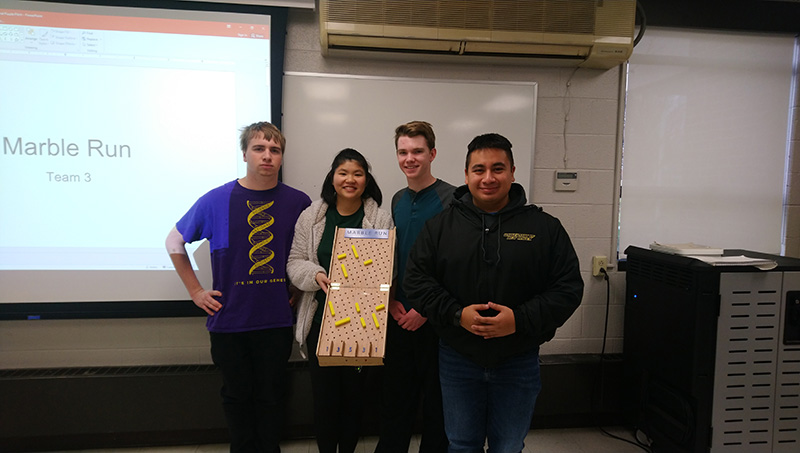
“I try not to change how I teach, as I want to stay active with an emphasis on class discussion and hands-on activities,” she said. “I try to focus on student knowledge growth over completion of various tasks.”
Endeavoring to provide most of the course materials online, she modified an in-person lab focused on the open source Arduino software and circuits hardware to create a virtual simulation using web resources that were free of charge. Her students were able to make a virtual circuit and code it, and they got the same results they would had they had done it in person.
"My goal when transitioning to teaching online was to maintain our learning objectives and adapt the path we took to reach them."Stephanie Gillespie, Ph.D.
Dr. Gillespie, who also recently hosted engineering workshops for local Girl Scouts online, surveyed her students to get a better idea of the materials they had at home. They still completed hands-on design activities, and she was mindful of what they had access to, allowing them to complete activities with the materials they had. She says that opened the doors to more opportunities for them to create, learn, and innovate.
“One student might have access to a cardboard box and cotton swabs, while another might have a cereal box and paper towels,” she said. “These variations in what students have access to actually allow for greater diversity in discussion after the activity is complete. The goal is for students to gain knowledge from the activity, not to just successfully complete the activity by following the directions we provide.”
Contact
Get the highlights!
Stay up to date with our weekly e-newsletter, highlighting stories from around the University and media clips featuring our faculty experts.
Recent News
Charger 360
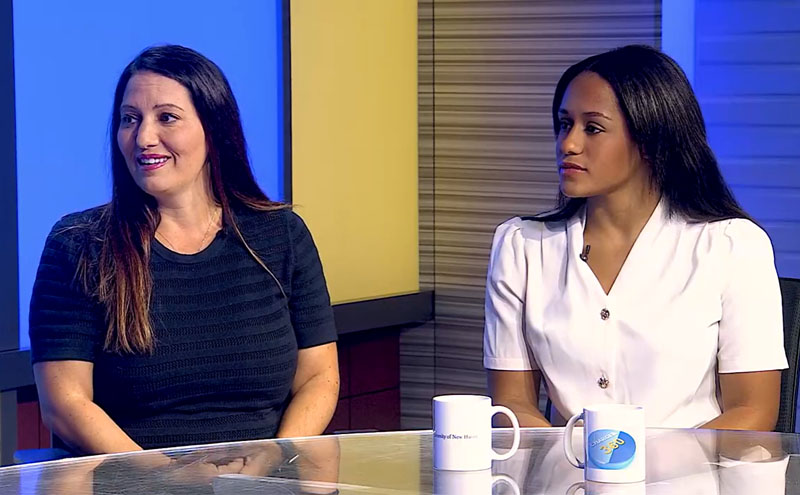
Season 5, Episode 4: Ashley McClain ’07 and Ariana James ’27
In the Media