Tanaya Shivname ’20 M.A., a candidate in the University of New Haven’s graduate program in industrial and organizational psychology, looks forward to sharing her Indian culture with the campus community.
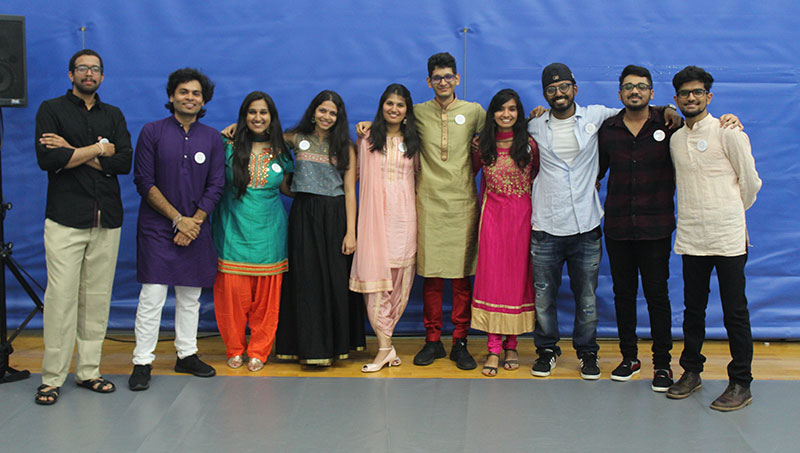
Diwali or "deepavali", as it is known, means "a row of lamps." India’s most important holiday of the year, it is usually celebrated at the end of October or the beginning of November.
The festival commemorates Lord Rama returning to his kingdom, Ayodhya, with his wife, Sita, after vanquishing the demon Ravan and spending 14 years in exile. To guide Lord Rama home, the people of his kingdom lit his path with oil lamps. This began the tradition of decorating houses with lamps and lanterns, a symbol of light prevailing over darkness and ridding oneself of all negativity.
The festival of lights is a much-loved celebration all over India. It is a time of merriment in which people share homemade sweets and delicacies and wish each other prosperity and good health. It is a five-day celebration of the win of good over evil.
"The festival of lights is a much-loved celebration all over India."Tanaya Shivname ’20 M.A.
Each day signifies a different tradition. Children and adults enjoy colorful fireworks that are the highlight of the festival. People dress up in traditional attire and visit each other’s homes wishing everyone well. People in modern India celebrate the festival with their loved ones over the course of five days, rejoicing in their health and prosperity.
The Indian Student Council is striving to bring the same authenticity and create the sentiment of the traditional festival at our Diwali Night event on November 1. We not only want it to be an enjoyable time for Indian students on campus, but we also want to create a platform for cultural exchange and dialogue between students from various backgrounds.
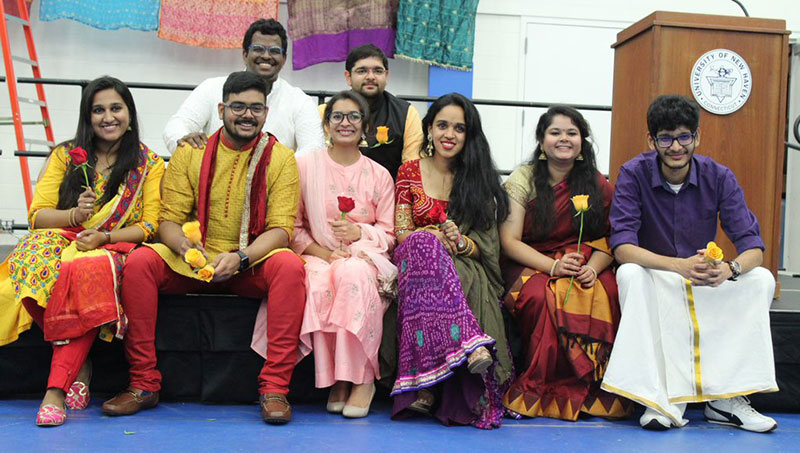
We will have several cultural performances and authentic Indian food, and we will share how this festival came to be. We hope to see you there, and we hope the warmth and the light will lighten everyone’s hearts and lives.
The Indian Student Council will host Diwali Night on Friday, November 1, at 6 p.m. in the Beckerman Recreation Center. Entry is free for University of New Haven students, faculty, staff, and alumni (ID is required). Admission for guests is $7.
Contact
Get the highlights!
Stay up to date with our weekly e-newsletter, highlighting stories from around the University and media clips featuring our faculty experts.
Recent News
University News

University of New Haven Community Mourns Tragic Loss of Senior who ‘Embodied Everything That Is Good About Being a Charger’
In the Media