Public Safety is tracking a significant snowfall that will be arriving in our area late Sunday morning (Jan. 25). It will snow heavily throughout the day and evening eventually tapering off Monday (Jan. 26) with 10-14 inches expected statewide. A sleet and freezing rain mix is also possible along the shore. Temperatures will be in the teens and twenties.
Due to this significant winter storm and the extensive campus clean-up operations that will need to take place, all in-person day and evening classes scheduled for Monday, January 26, 2026 have been cancelled. All scheduled in-person classes will transition to being held online or remotely. Additional information on the virtual format for each class will be provided by your instructor.
Faculty have been asked to prepare for Online or Remote sessions in the event of in-person meeting cancellations. These options will be determined by the Faculty member and all questions should be directed to the Faculty teaching each course section. Faculty also have been asked to be very understanding and accommodating of the individual situations of their students who may have difficulty managing these alternative online or remote class meetings on short notice.
Please note that only essential employees, as previously determined by their respective department leaders, should report to campus. All other employees should fulfill the requirements of their role remotely.
Campus operations for residential students, unless otherwise noted, will operate as scheduled, though hours may be modified or changed based on the conditions. Separate messages will be sent from the Peterson Library, the Beckerman Recreation Center, and Dining Services regarding any changes to their normal hours of operation. The Bergami Center for Science, Technology, and Innovation will remain open for residential students to use for study space and to participate in online classes.
Off-campus students that live in the City of West Haven should abide by the city’s parking ban during inclement weather to avoid having their vehicle tagged and towed. Please check the City of West Haven’s website for further information on their snow parking ban.
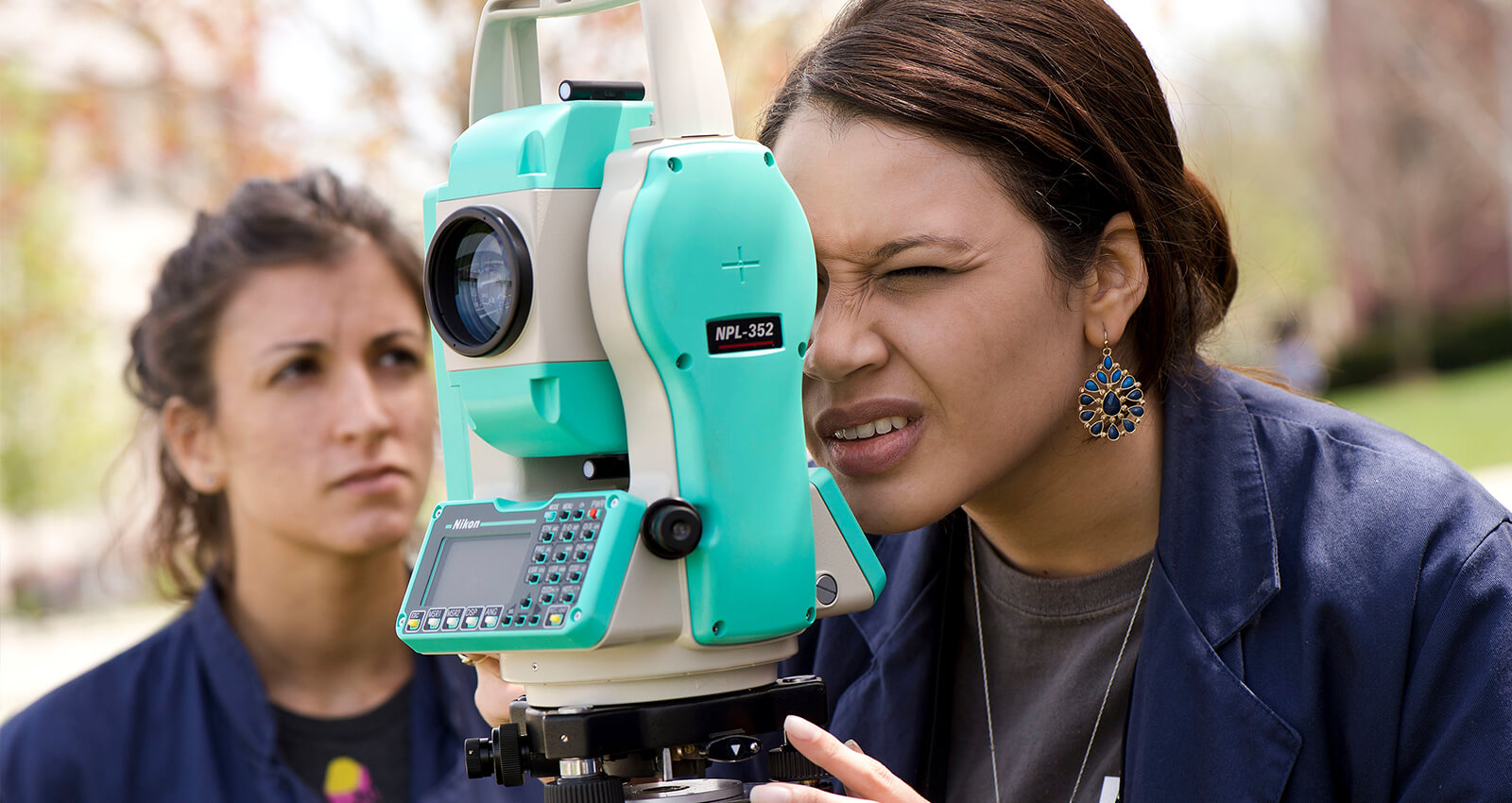
You will study, and receive hands-on practice with, various forms of forensic field technology, including laser scanners, portable and handheld instrumentation, and biometric devices. The utilization of these technologies are critical to modern criminal investigations. Restricted electives offered within the program allow you to develop specialized knowledge in areas such as bloodstain pattern analysis, firearms evidence, fingerprint analysis, and accident reconstruction.
You will complete a minimum of 42 credits of graduate coursework, which includes a required internship or research project designed to fulfill the Master of Science Capstone requirement. Participation in this Capstone requirement allows students to benefit from the strong connections that the University of New Haven has forged with crime scene and death investigation units within local, state, and federal agencies across the country.
The information below is designed to show the many possible careers you could pursue with your major. The research is provided by Encoura, the leading research and advisory firm focused exclusively on higher education. It includes median national salaries and industry growth projections over the next decade. Click here to view the full report.
Detectives and Criminal Investigators
2% Growth 2021-2030
Forensic Science Technicians
10% Growth 2021-2030
Clinical Laboratory Technologists and Technicians
9% Growth 2021-2030
Get an inside look at what differentiates the University of New Haven and how your experiences as a student will prepare you for success.
All University of New Haven students have access to the many resources available through the University’s Career Development Center, which has been named one of the best in the nation by The Princeton Review.
From career assessments, networking, and job shadowing to on-campus interviews and salary negotiation, the Career Development Center provides the skills and connections to identify a meaningful career and an opportunity to pursue your passion.
Learn MoreAn in-depth study of crime scene procedures including recognition, protection, documentation, and collection of physical evidence; scene documentation, scene search procedures; and reconstructions from evidence and scene patterns.
Theoretical and practical aspects of crime scene reconstruction will be addressed in this course. A basic understanding of crime scene analysis, and related functions: evidence recognition, collection and preservation, documentation, effective search methods, and subsequent laboratory-based analysis of the evidence is required. Common types of crime scene reconstruction will be explored: blood stain analysis, shooting incidents, and accident reconstruction. A major focus of this course is to learn how to design and conduct relevant testing consistent with the scientific method. The course will conclude with the preparation of a reconstruction report and oral presentation of that work in a legal setting.
This course will explore the use of imaging techniques as they relate to crime scene and evidence documentation. The first portion of the course focuses on film/digital image capture and the second on digital image processing using Adobe Photoshop and other software. The course includes extensive hands-on experience both in photography as well as image processing labs. Topics include but are not limited to: theory, techniques, crime, scenes, evidence, macro, alternate light energy, photogrammetry, image clarification and legal considerations.
This laboratory course is taken in conjunction with the Forensic Field Technology lecture. FFT Lab introduces students to technologies used in the field as well as how data that we collect in the field can be entered into and processed by the relevant databases. The technologies used by students can include instruments of discovery such as portable and hand-held Ion Mobility Spectrometry (IMS), Fourier Transform Infrared Spectroscopy (FTIR), Raman spectroscopy, and Gas Chromatography Mass Spectrometry (GC-MS), as well as other contemporary technologies and developments like 3D scanners and scene mapping software.
The University of New Haven offers a wide variety of in-depth courses that create a transformational educational experience for our students. To view the complete list of courses you'll take while pursuing a Master of Science in Forensic Technology, check out the Academic Catalog:
Our faculty are leaders and innovators in their fields, bringing both deep professional experience and academic rigor to the classroom.
The Charger Blog
At the University’s Crime Scene Investigation (CSI) Academy, high school students from across the state and the country learned what it takes to be a crime scene investigator, analyzing a crime scene and presenting their findings to CSIs who work in the field.
An advanced degree from the University of New Haven will help you take your career to the next level. Each program offers convenient scheduling, personalized attention, and state-of-the-art facilities.
View Application Requirements
The University of New Haven Graduate School is an excellent value with reasonable tuition. Of course, you will still have bills to pay and the Financial Aid office can help.
Learn More