Engineer solutions for health, energy, sustainability, and advanced manufacturing
As a chemical and biomolecular engineer, you will transform matter or energy into forms that benefit human beings. You might design clean energy solutions, innovate new solutions to biomedical issues, perform research and development in pharmaceuticals, develop new materials for spaceships, or create new ways to feed the world’s growing population. The foundation you will build in chemistry, physics, biology, and mathematics – and your collaborations involving engineering disciplines such as computer science, and biomedical, mechanical, electrical, and civil engineering – will prepare you to rise to the challenges that face both the modern-day chemical and biomolecular engineer and the world. Those challenges — hallmarks of the early 21st century — include environmental integrity, limited resources, and human health and safety.
Why Study Chemical and Biomolecular Engineering at the University of NewHaven
- One of the three ABET-accredited programs in the state of Connecticut.
- Close-Knit Academic Community: Small classes, substantial access. Work directly with faculty instead of competing with graduate students for every opportunity.
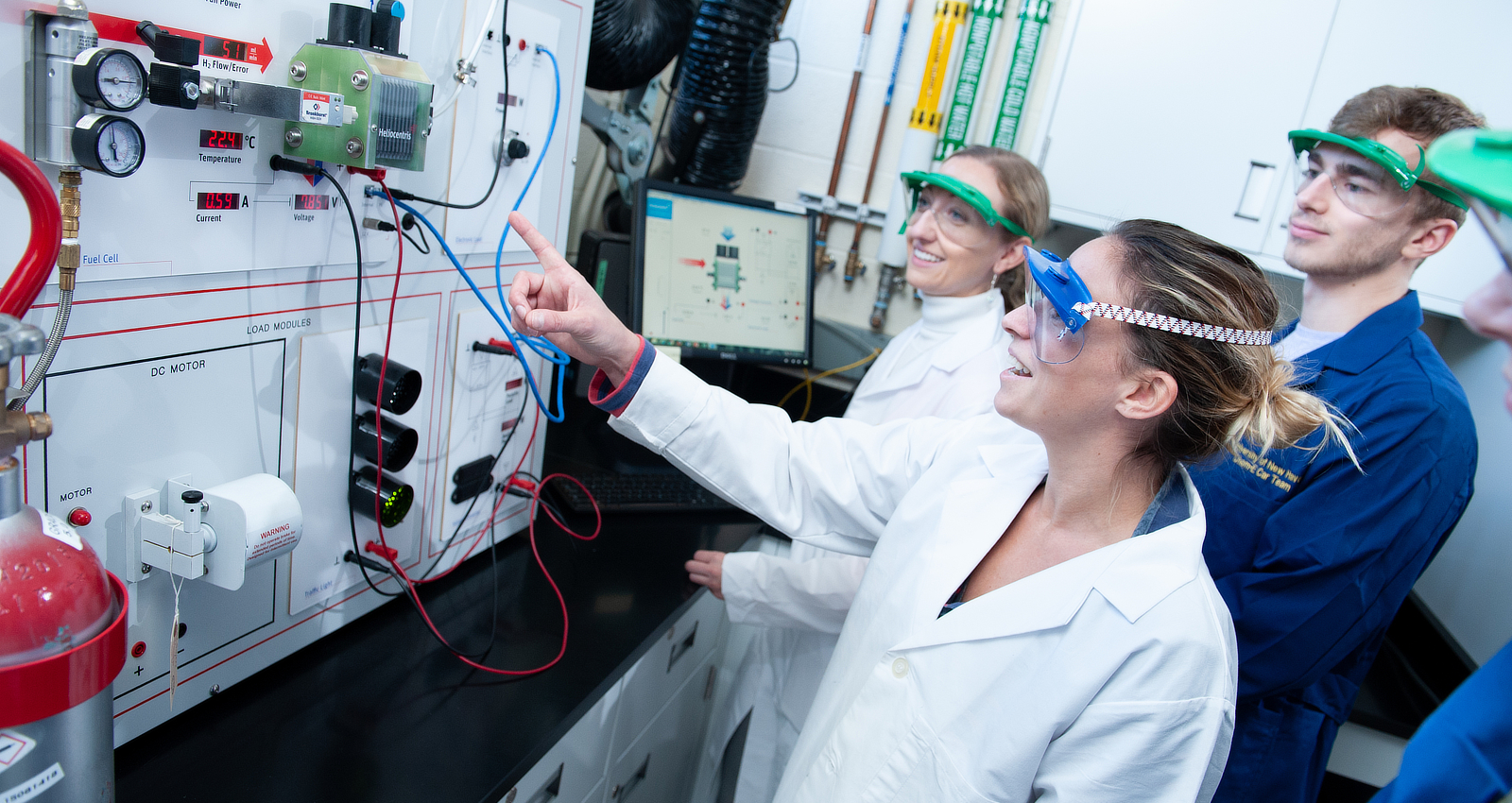
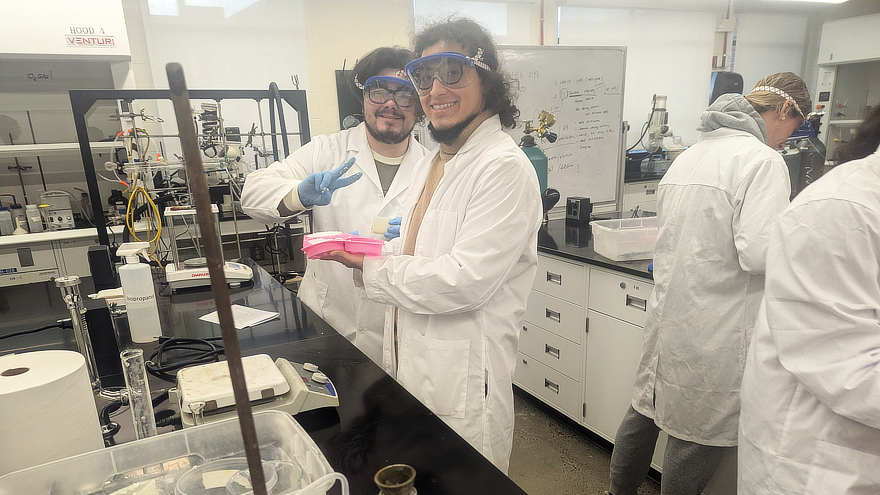
- Hands-On Learning & Research: Apply engineering concepts through design projects, laboratories, the Chem-E Car team, and undergraduate research in biotechnology, water treatment, sustainability, decarbonization, and advanced manufacturing.
- Integrated Experiential Learning Requirement: Build experience through internships, sponsored senior design, professional software, and laboratory-intensive courses.
- Multiple pathways. Select the general or biomedical engineering concentration or pursue an accelerated B.S./M.S. option.
Accreditation
 One of three ABET-Accredited programs in the state of Connecticut
Learn from professors who are dedicated to your success.
Our Chemical and Biomolecular Engineering faculty are leaders and innovators in their fields, bringing both deep professional experience and academic rigor to the classroom.
Student Journey: Your Path From Student to Engineer
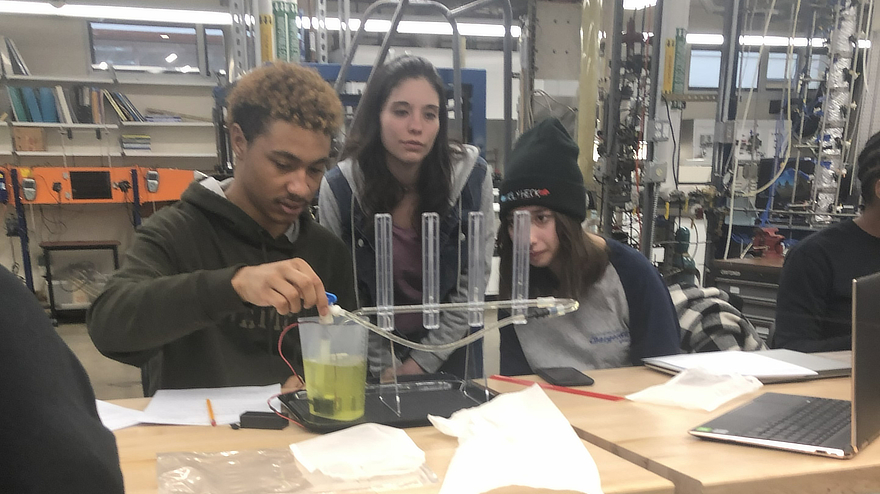
Year 1
Build, experiment, and discover chemical engineering.
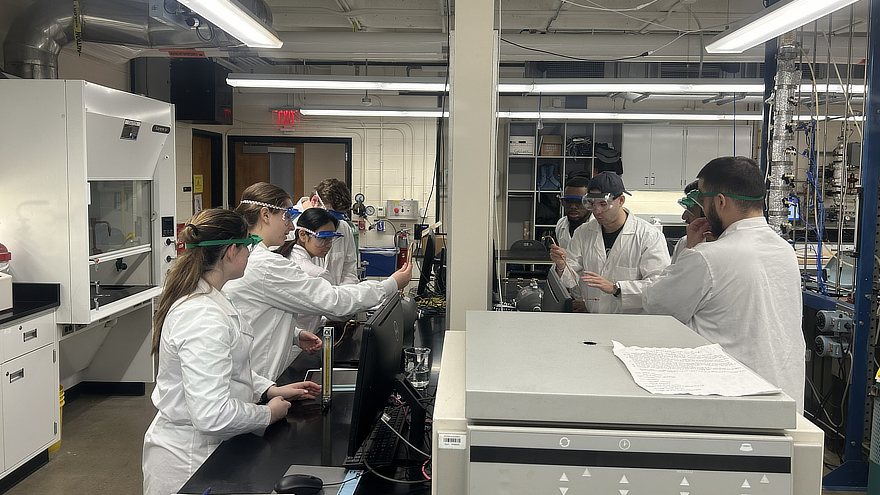
Year 2
Learn how mass, energy, and materials move through real systems.
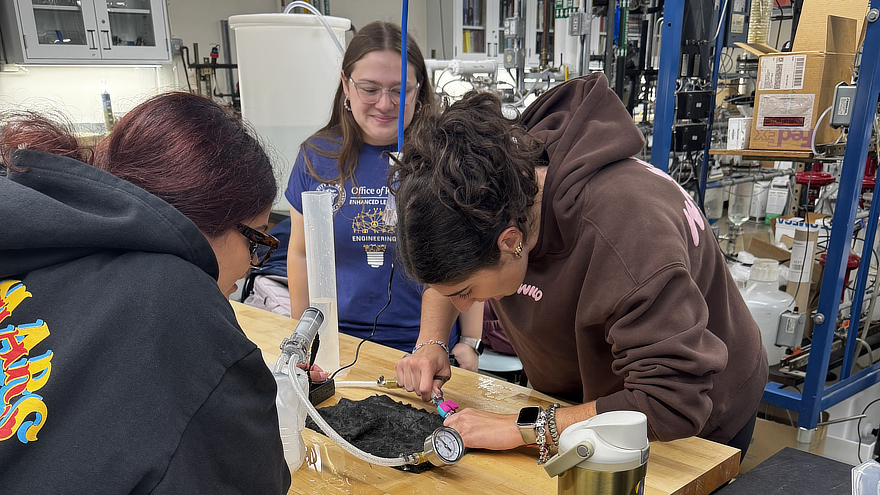
Year 3
Design reactors and processes and use professional software.
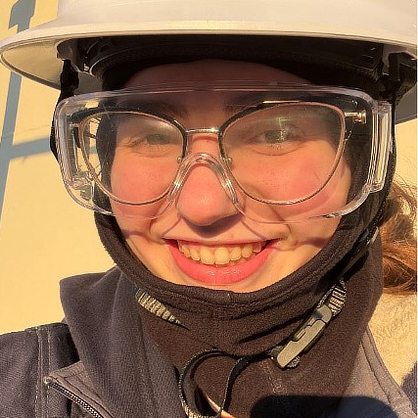
Year 4
Complete industry-connected senior design and present your work.
Throughout the program you will participate in research, internships, AIChE, Chem-E-Car, conferences, and professional networking.


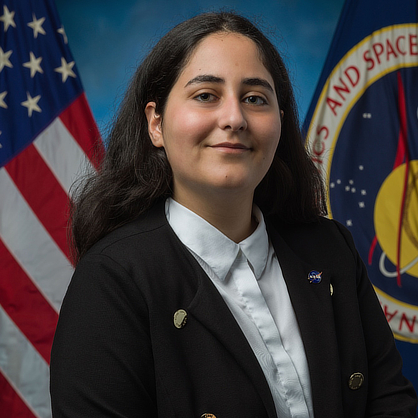



Career Opportunities with a Bachelor's Degree in Chemical and Biomolecular Engineering
100%
Career Outcome Rate
Graduates seeking employment, classes of 2023-2026
$79K
Average Starting Salary
Reported by 2025 AICHE Salary Survey
5%
Projected Growth
Projected national employment growth for chemical engineers, 2025-35
What Does A Chemical Engineer Actually Do?
Choose a problem you want to solve
Skills Employers Want
Graduate with skills you can demonstrate.
- Design chemical and biological processes
- Operate laboratory and pilot-scale equipment
- Analyze data using computational and AI-assisted tools
- Model fluid flow, heat transfer, reactions, and separations
- Build fluid flow systems
- Control and automate engineering systems
- Evaluate safety, sustainability, and economic feasibility
- Communicate technical results to engineers and nonengineers
- Work effectively on multidisciplinary teams
Selected Courses and Programs
Secondary school students from any Project Lead the Way (PLTW) school may apply for University of New Haven college credit for each eligible PLTW course.
Learn about earning college credit through PLTW:
Charger Advantage

Accreditation & Awards
ABET Accreditation
The B.S. program in Chemical and Biomolecular Engineering is accredited by the Engineering Accreditation Commission of ABET, https://www.abet.org, under the commission’s General Criteria and Program Criteria for Chemical, Biochemical, Biomolecular and Similarly Named Engineering Programs.
Chemical and Biomolecular Engineering Program Objectives and Outcomes
Enrollment and Graduation Data for the Tagliatela College of Engineering
ASEE Diversity Recognition Program - Bronze Level
For its diversity, equity and inclusion efforts the Tagliatela College of Engineering has been recognized at the Bronze Level by the American Society of Engineering Education's Diversity Recognition Program.
Colleges of Distinction
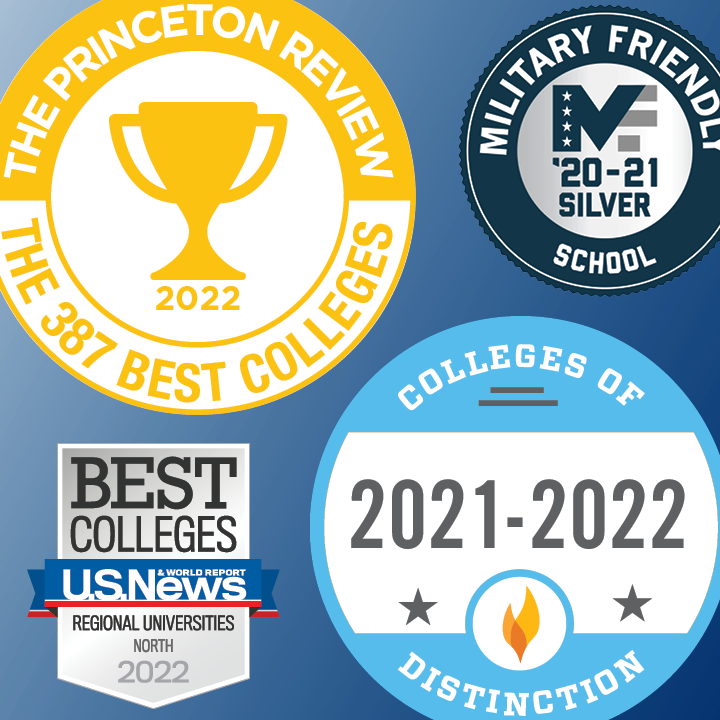
The University of New Haven was named a "College of Distinction" by Colleges of Distinction, a national online higher education guide that assesses colleges for its engaged students, great teaching, and vibrant campus communities. The Universitys engineering programs received special distinction for its internships and opportunities for real-world experience.
U.S. News & World Report Best Colleges - Engineering Programs
The University’s Tagliatela College of Engineering is again rated in the top third in its category (institutions that do not offer a doctorate in engineering).
Tagliatela College of Engineering News
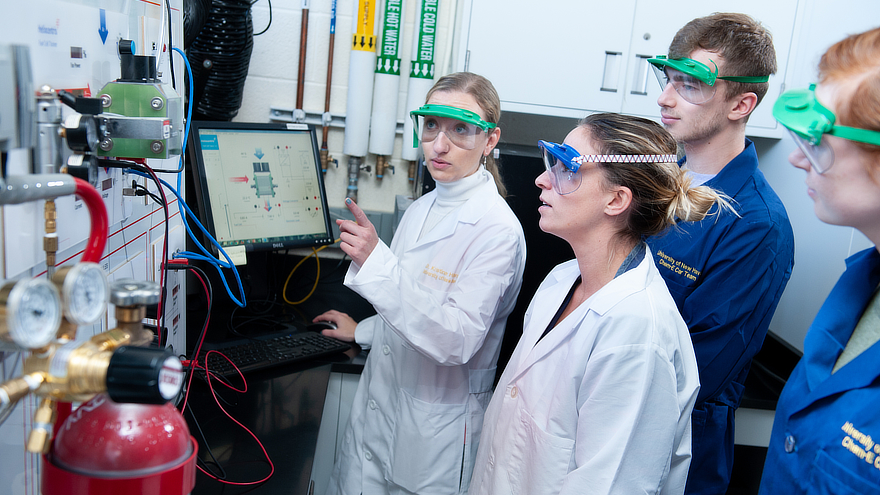
University of New Haven Chemical Engineering Students Earn Research Awards, Scholarships, and Fellowships
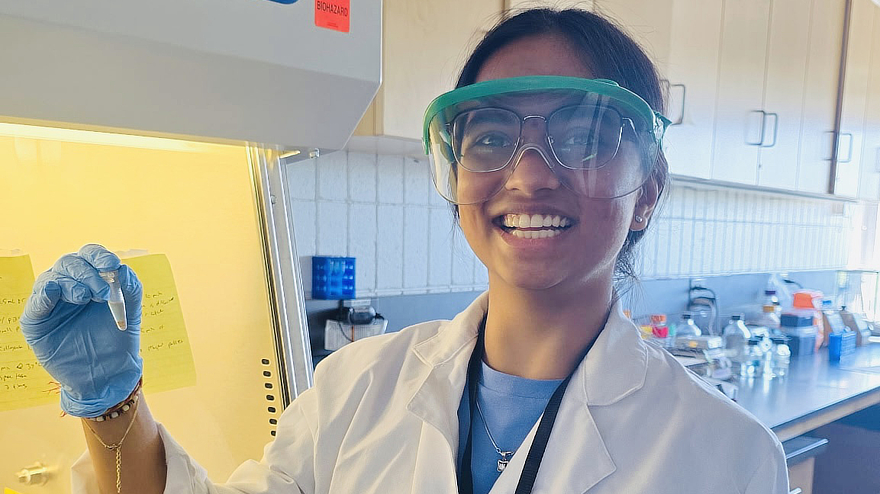
Students Showcase Passion for Discovery Through Summer Undergraduate Research Fellowship Program
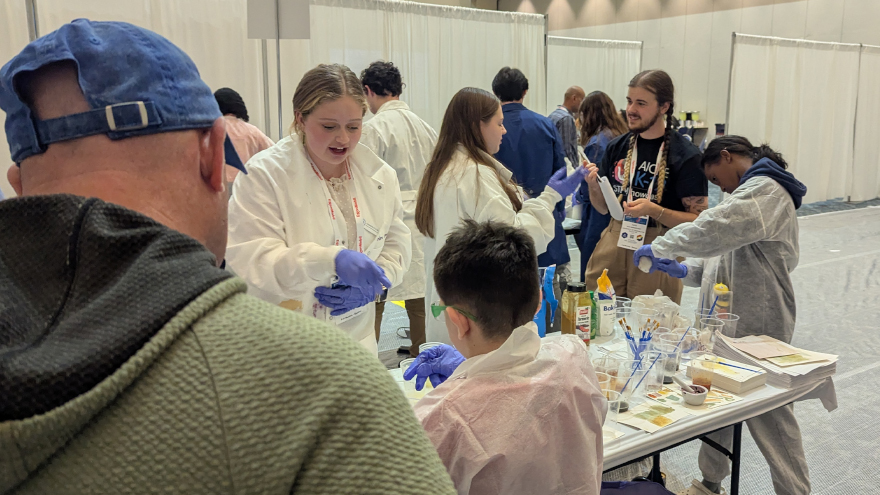
Engineering Students Win Outreach Competition While Inspiring Future STEM Leaders
Upcoming Events
Next Steps
Whether you're still in high school or are transferring from another college, we offer full- and part-time opportunities for undergraduates from inside the U.S. and abroad. The admission process can begin as early as the end of your high school junior year.
The Application Process WebsiteWe offer a comprehensive financial aid program, with students receiving assistance in the form of grants, scholarships, student loans, and part-time employment. Funds are available from federal and state governments, private sponsors, and from university resources. More than 95 percent of the University's full-time undergraduate students receive some form of financial assistance.
Financial Aid WebsiteWANT MORE INFO?
Find out more about why the University of New Haven is a great fit for you. Our admissions team will contact you with information personalized to your interests.
VISIT
A campus visit is one of the most important parts of the college selection process. Come feel what it's like to Be a Charger!
APPLY
With more than 74,000 alumni and more than 100 years of history, #ChargerNation is the place to be. Begin Your Journey today.