Parameters for image-map-2:{}
University of New Haven logo on black background

New Students

University of New Haven Residential Life

Spring Is About to Be Sprung Chargers

Rebecca Kitchell

Use these tips to avoid sun damage:

Slather on that sunscreen! Slap it on your face and body before going outside. Sunscreens take 20 to 30 minutes to seep into the skin to protect you properly. For a day at the beach or a day laying out on the deck of your cruise ship, coat your entire body before getting dressed (a bathing suit gives only about an SPF 5 level of protection).

Use sunscreen generously. Studies have shown that using only half the necessary amount of sunscreen can turn what you think is a coating of SPF 30 into no more than an SPF 2.3. So what is the proper amount for complete coverage?...a full ounce on your body, one teaspoon on your face, and another teaspoon on your neck.

Reapply sunscreen often----especially after exercise on the beach or a long swim.

Dress for Protection. Summer clothes, like your favorite little tank from the GAP and those short shorts, provide little in the way of sun protection. A basic white cotton T-shirt gives you the equivalent of only about SPF 5 (get it wet and that drops to about SPF 3). The key to sun protection is the fabric's weave: The tighter the weave, the better it blocks UV rays.

Pick out the right sunglasses for you. The trendiest shades may not be the best for your protection. Darker shades absorb UV light, so less radiation makes it through the fabric to the skin. Ultraviolet rays are linked to eye cancers and skin cancers on and around the eyelids. Your best defense: sunglasses that offer 99 to 100 percent UV protection. If you buy a pair without the American Optometric Association's Seal of Acceptance, get them tested.

Avoid the sun between 11 a.m. and 4 p.m.

Don't use tanning booths or sunlamps—the fake and bake can cause real damage, so try a sunless tanner.

What to Bring:

Frequent travelers have a knack. For knowing exactly what to pack. It's not a case of 'everything goes' . . . rather...Start at your head and work down to your toes!

  • Shampoo, conditioner, brush/comb, hairdryer, styling implements
  • Contact lens solutions, prescription glasses & sunglasses
  • Toothbrush, toothpaste, floss, mouthwash
  • Prescription medicines & refills
  • Over-the-counter medications . . . . aspirin, anti-motion sickness meds, anti-diarrhetics, antacids, antihistamines, vitamins
  • Sunscreen and sun-protective lip balm
  • Shaving cream/razor, aftershave
  • Deodorant, favorite soap, perfume
  • Body moisture lotion, face cream & cosmetics
  • Personal care items . . . . condoms, lubricant, contraceptives, tampons/pads
  • Basic FIRST AID KIT

Don't Forget

  • Camera/batteries
  • Hat or sun visor
  • Sunglasses
  • Bathing suit/towel
  • Books/magazines
  • Light colored, lightweight clothing
  • Long sleeved T-shirt or other cover-up
  • A comfortable pair of kicks
  • Sweater or sweatshirt for cool evenings
  • Travel alarm clock with batteries
  • Sports-related equipment—football, baseball and bat, frisbee
  • Flashlight
  • Cell phone
  • Personal Identification, passport, license

Dehydration

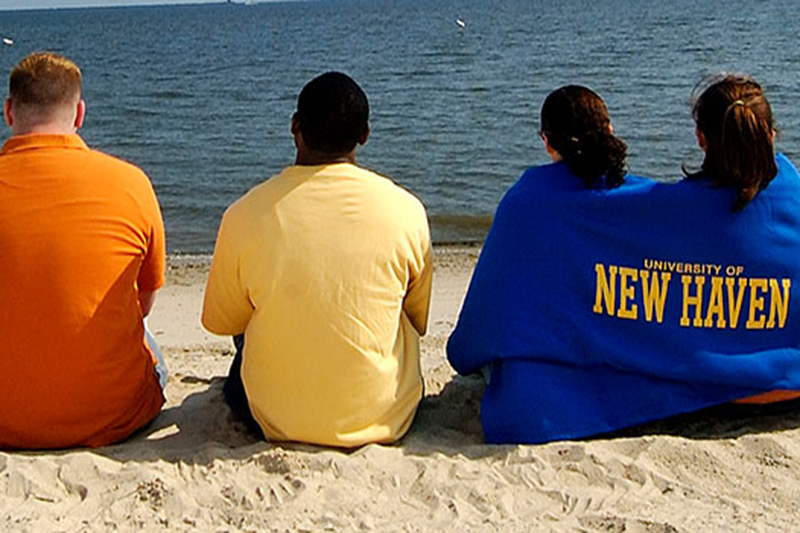
Ahhh! To relax in the sun. Nothing like a cold one while you're lying out, catching rays...if you are of age that is!
Remember that alcohol dehydrates the body; when you add the sun and salt on the skin, you've set your body up for dehydration. Make sure you drink non-alcoholic and non-caffeinated beverages to replace body fluid you're losing. Otherwise, you may show signs of dehydration: Dizziness (especially if consuming alcohol); an imbalance of potassium and sodium chlorides which leads to arrhythmia; weakness; muscle spasms; passing out; confusion. Warning signs of pending dehydration is dark urine or infrequent urination.

Hangovers

Everyone knows the symptoms of a hangover: Headaches; vomiting or nausea; "cotton mouth"; fatigue. Many do not know that a hangover is a mild form of alcohol withdrawal! Some symptoms are a rebound effect of alcohol on the nervous system. Other symptoms are due to a depletion of glucose and oxygen to the brain. Just remember, drinking too much too quickly on an empty stomach is a formula for a hangover. Bad news! To avoid a hangover: don't drink so much (duh!), sip, don't gulp your drinks; have food in your stomach when you drink; pace your drinks=one drink per hour if you're a guy and 1.5 hours for girls; never mix alcohol with prescription drugs or illicit drugs (especially depressant drugs like GHB); alternate a non-alcoholic drink between alcoholic drinks; do not pressure yourself or others to drink more.

Sooooo Hot!

"Wow! Look at that!" Ok, spring break is a time to meet new people and a lot of the time, it's when you're drinking. Realize that alcohol and sex make for an unsafe combination. While a small amount of alcohol acts as a "social lubricant", more alcohol brings forth a drastic change in the physiology of the sexual response. Be safe! Be Smart! Have fun!

Spring Break is a blast, but be sure to make good choices! Come back to us healthy, happy and safe!

Sincerely,

Rebecca Kitchell
Associate Director of Residential Life for Residential Education

For more on the Residential Life Blog, please click here.

  
First Year Residence Halls
Bethel Hall Bixler Hall Botwinik Hall
Campbell Ave. Dunham Hall Bergami Hall
Ruden St.    

  1. News

  2. So You Got Tripled?!?

    You have probably received your housing assignments and have questions about being in a triple, below you will find various links to items about the benefits of being in a triple, room layouts, FAQ and programs specifically for Tripled Students!


    Frequently Asked Triple Questions

    10 Reasons to LOVE Your Triple

    Programs for Tripled Students!!

    Tripled Room Setups


    If you have any questions, please feel free to give us a call at 203-932-7076

  3. LLC's

    Living/Learning Communities at the University of New Haven provide first-year students in specific majors with outstanding, out-of-class co-curricular and residential experiences. The result is an academic-based peer group that affords participants with additional faculty interaction, collaboration with students within the major course of study, and a variety of activities that complement in-class assignments and pertinent topics.

    Students within the community are placed on a common floor with staff that has been specially selected to work with the residential learning community. Additionally, faculty work together with the residence hall staff to use the facility as a setting for co-curricular and social programming, based on the content of the community's major. Finally, participants in the residential learning communities participate in orientation activities that facilitate the transition to the college experience while allowing students to interact with faculty outside of the academic classroom.

    For Information on your specific Living Learning Community, please click here

  1. Office Hours

    Monday-Friday
    8:00am- 5:00pm
     
    Summer Hours
    Monday-Thursday
    8:30am- 4:30pm
    Friday
    8:30am- 1:30pm
     
    Our office is located on the first floor of Bixler Hall
  1. Contact Us

    Phone: 203-932-7076
    Fax: 203-932-7178
  2. Time to Eat!

    For information on when & where to eat along with meal plan information:
    Click Here

Find Us On

Parameters for image-map-2:{}