
Events
From cocktail and networking events to football tailgates and Homecoming, our alumni have the opportunity to network and socialize at a variety of events throughout the year.
Learn more
From cocktail and networking events to football tailgates and Homecoming, our alumni have the opportunity to network and socialize at a variety of events throughout the year.
Learn more
Your membership to the University of New Haven Alumni Association entitles you to a variety of benefits and services. We encourage you to take advantage of these exclusive alumni offers.
Learn more
Whether you’re looking to assist alumni, current students, or prospective students, we hope you welcome the opportunity to get involved at the University of New Haven. Take a look at some of the opportunities we provide to find an activity that interests you.
Learn More
Because of you, students can be the first in their family to attend college, take part in intensive research projects, connect with a mentor, and have life-changing experiences studying abroad.
Learn more
There are many ways you can stay connected to your alma mater and each other after commencement! From letting us know recent life events to flipping through the latest issue of the magazine, read on how you can stay close to your Charger roots.
Learn MoreAlumni
of undergraduate students were awarded financial aid in 2020-21
Giving Societies
Alumni Benefits Available

From Clinical Operations to Executive Strategy at a Major Health System

Mechanical Engineering Alumna Found Her Future at Leading Aerospace Company

Lee College Alumnus and Ph.D. candidate Recognized by Polish National Police

This special edition spotlights a very exciting time in our institutional history as the University of New Haven seeks to drive an approximately $200 million agenda through 2027 to remake the campus in profound ways that are bucking national trends and creating massive momentum.

Three recent graduates of our Master of Healthcare Administration share how their fellowship experiences are shaping their careers and preparing them to make a lasting impact on the healthcare organizations and the communities they serve.

This special edition spotlights the University’s ongoing commitment to expanding our international community; cultivating the elite global workforce of tomorrow; and illuminating the path forward to a better, brighter future for all.

Angela Mercaldi ’25 turned her passion for engineering and drive as a student-athlete into a full-time role at Pratt & Whitney. Her story is one of persistence, mentorship, and finding passion through hands-on experience.

The University of New Haven has accepted a full membership invitation from the Northeast Conference (NEC) Council of Presidents and will officially join the league on July 1, 2025. The announcement was made today by NEC Commissioner Noreen Morris and University of New Haven President Jens Frederiksen, Ph.D.

Patryk Jaroszkiewicz '16, '20 M.S., who is pursuing his Ph.D. in criminal justice, received a prestigious civilian honor from the Commander of the Polish National Police for his work bridging two distinctly different police forces.

A memorandum of understanding between the University and Saudi Arabia’s Ministry of Education, its Ministry of Investment, and the Royal Commission for Riyadh City provides a pathway for the University to open a campus in Riyadh in Fall of 2026 that would grow to serve 13,000 undergraduate and graduate students, advancing the Kingdom’s transformative Vision 2030 goals.
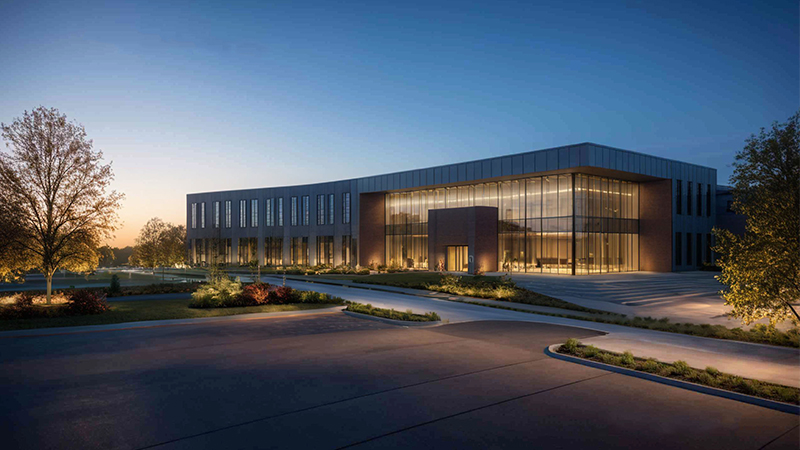
Transformational donation from alumnus and successful business executive Dennis Martin '81 will support the development of an 80,000-square-foot facility that will advance the University's commitment to innovation and maximizing graduates' return on investment.

This special edition shines a spotlight on the heart of this university – student outcomes. Within these pages, you will get a glimpse of the work that our students do, the dedication of our faculty and staff, and how the education and experiences our students attain here are creating brighter futures for them, their families, their communities, and the world.

Amanda Castro ’22 shares how her time at the University of New Haven shaped her love for journalism, preparing her for a fast-paced role covering the 2024 election for Newsweek.

Armani Miller-Jackson ‘16, ‘17 MBA discusses how the University of New Haven helped shape his path to career success in finance at UBS, one of the largest banks in the world.

In an engaging fireside chat with the University of New Haven President Jens Frederiksen, Ph.D., Frank Martire ’77 MBA, an esteemed business leader, philanthropist, and advocate for higher education, shared insights on leadership, navigating challenges, and staying true to your values in a complex world.

Students and alumni came together for a special opportunity that enabled current Chargers to practice their networking skills while building relationships with alumni who are excelling in their careers.