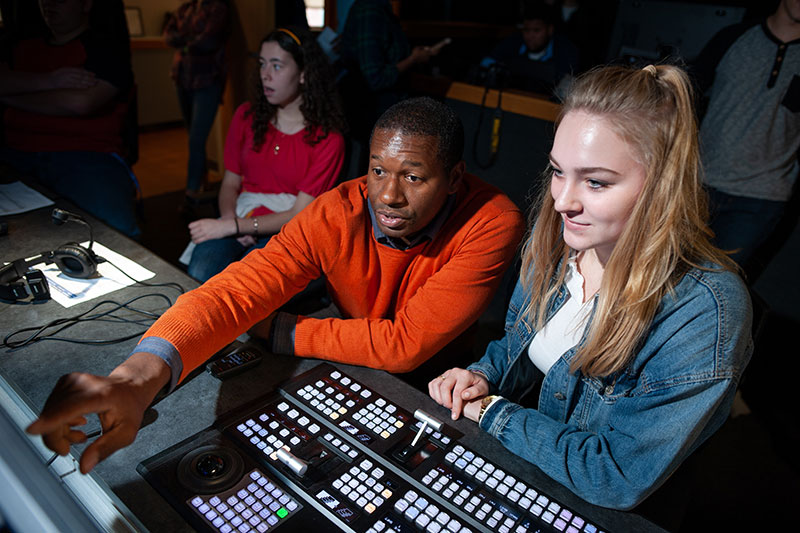
Polio graduated from the University of New Haven with his M.S. and has spent 30 years in local law enforcement. Over his 30 career, he has received multiple awards of recognition at the municipal, state, federal, and private agency levels, for line of duty and community-based actions. We sat down with Joe Polio and learned what he is doing inside and outside of the classroom.
The students: watching them grow through their school experience, their class work and critical thinking because they indeed are the future of criminal justice in this country.
There is a considerable push to do online education by our tech-driven society. I see the future of teaching as demanding more personal contact with students who need guidance and direction. Technological and interactive approaches will come to the fore. The university, known for it’s personal touch and academic excellence, continues to thrive using both personal and informational approaches.
A good instructor should be involved with their students. They have to be good listeners and promote critical thinking. They also need to stay humble.
The application of technology and intelligence to compliment previous theories of policing.
Yes.
The camaraderie; the open communication that we have between each other and the sharing of information.
I would take a course in the Chinese language. It is important to understand diverse cultures. China has a growing economy. With that comes a critical need for careers in federal law enforcement. Unfortunately, China and the United States will be affected by international crime, both white collar and organized. This country has a significant population that is Chinese speaking. They are often reluctant to communicate with criminal justice organizations because of the language barrier.
Start your research now for the career that you seek. Don’t wait until your junior of senior year. Work closely with your advisor on achieving these goals.
Not at this time.
In most of my classes I do lecture, PowerPoint presentations, class participation, field interviews and student presentations.
Blackboard and projection, videotapes, the Internet.
I do not lecture the book; students are responsible for reading the book. Exams are text, lecture and experience based. In the classroom, practices are based on eliciting responses from the students from the readings, discussions, and field activities that support class work. A significant amount of time is spent on class participation to determine critical thinking levels and the student’s ability to apply that thinking to real world experience.
Teaching is my main interest; passing the information and experience of a thirty year law enforcement career complimented by new progressive professional approaches and academic research is very fulfilling. I am also interested in the psychological effect of the law enforcement career on the individuals involved.
William Norton, I consider him a role model and a mentor.
The department’s reputation is excellent and recognized worldwide as a forerunner in criminal justice academia. I receive calls on a regular basis from intern mentors, students and former students who are now practicing in the field of criminal justice, many that are already on a fast track.
I expect 80 percent of class participation from my students. I call on them regularly to expose their critical thinking skills on the material in both the lecture and the text. I expect them to participate in fieldwork to complement their study.
I recommend taking forensic computing studies, language skills leading toward intelligence and police work, and better understanding of community. Victimology, correctional counseling, and of course, advanced study in their chosen field.
I went to the University of New Haven for undergraduate and graduate studies. I was an English major before going into criminal justice. In 1990, I attended the FBI national academy and took courses in law enforcement from the University of Virginia as well.