Stephen Ross earned his Ph.D. in Mechanics from The Johns Hopkins University and has taught at UNH for 30 years. Ross is particularly interested in Stirling Engines, including one which can run off the heat generated in the palm of your hand. He is invested in his students’ success and works closely with them to lay a practical foundation to guide them in their future careers. We sat down with Stephen Ross and learned what he is doing inside and outside of the classroom.
We are fortunate in engineering because we have students who are the first of their families to attend college. These students often work, in technical industries, twenty to thirty hours a week to pay their own tuition. They try to spend much of their free time studying engineering subjects to get through the program. That is really hard to do if working in industry. I like teaching students here because they are motivated to do well and will have good careers their entire lives if they graduate from the program. This is one aspect about UNH which differentiates us from other universities. Also the program is small and you get to know all of the students and they get to know you. It is a good thing.
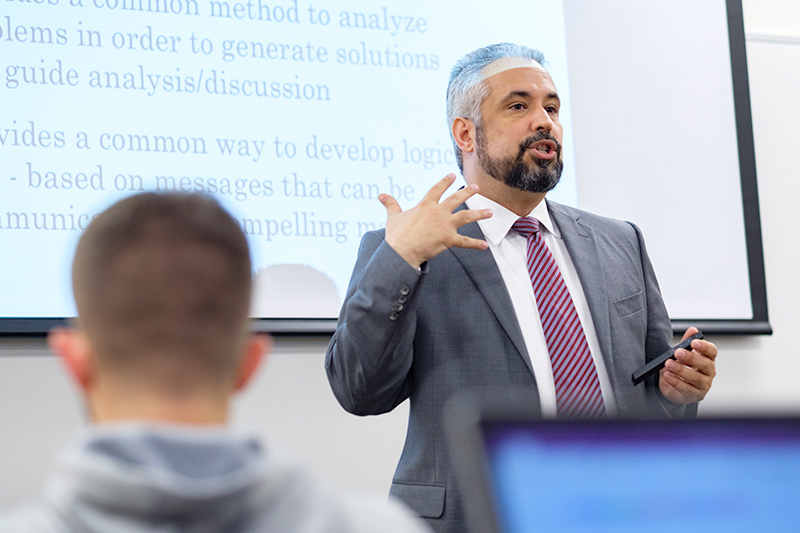
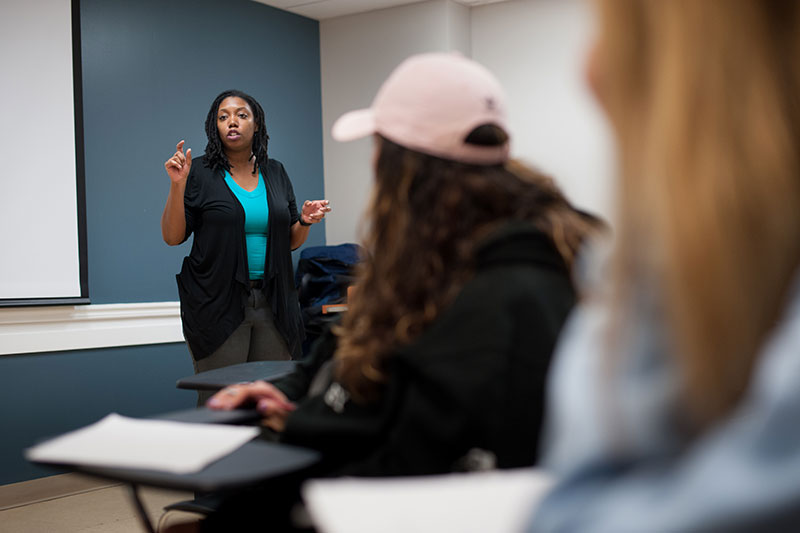
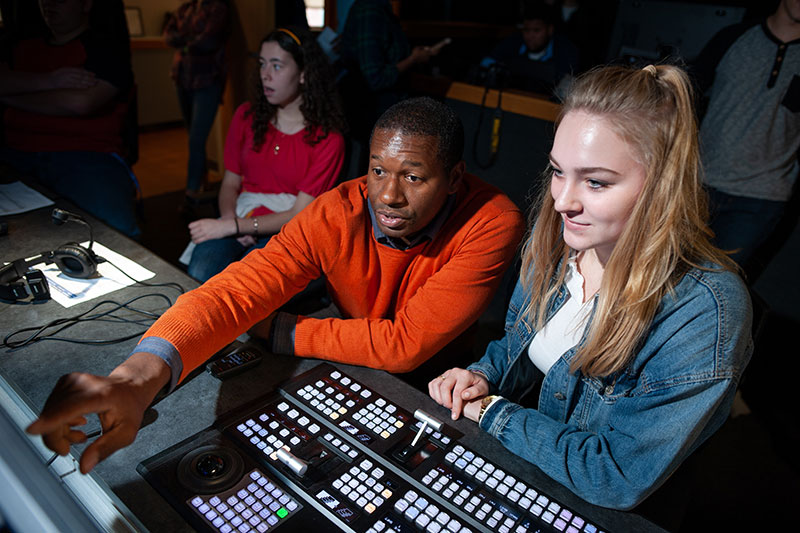
What seems to be happening in engineering, and we are innovators in this, is a multidisciplinary curriculum. We introduce students to several areas of engineering right away through multidisciplinary courses and active learning. We call it the spiral curriculum. In these courses we do a lot of hands-on work. It is part lecture and part having students working out problems with the professor as a guide. Students are learning and doing at the same time. I think there is a lot of that going on in general at UNH.
The mechanical engineering program has been nationally accredited for forty years. The high quality of our students is evidenced by the success of our graduates who either have life-long successful careers in industry or decide to continue to pursue higher degrees in some of the country's best graduate schools. The faculty all have top professional credentials from well known universities such as Tufts, Johns Hopkins, Cambridge, Yale, etc. We also know each other well and we all have a similar teaching philosophy which is geared to the type of students we have here at UNH. We know our students individually. There is a study room across the hall from the department in which the students work together on homework, design and socialize daily. Students relate personally with the department. You don’t get that in a "big" school or state university.
We are one of the first schools engaged in the multidisciplinary curriculum. There is a trend of using certain technical innovations, such as Tegrity, in the classroom. I believe in using technological aids in the classroom when it is useful and appropriate.
We have the living and learning communities. That is something that is really good for student retention because students live and study in close proximity to each other. We started it in engineering and it is spreading to other programs. This way you don’t have someone who is partying all night right in the next dorm room. I wish I had had that as an undergraduate. We have small classes and pay individual attention to students. We get to know all the students, even the part-timers. We help them with their course work. Even the secretary considers the students her "kids". It is very personal. You get that here because we are a small school. In general, we have real world career orientated programs where you get to know your professors and the other students.
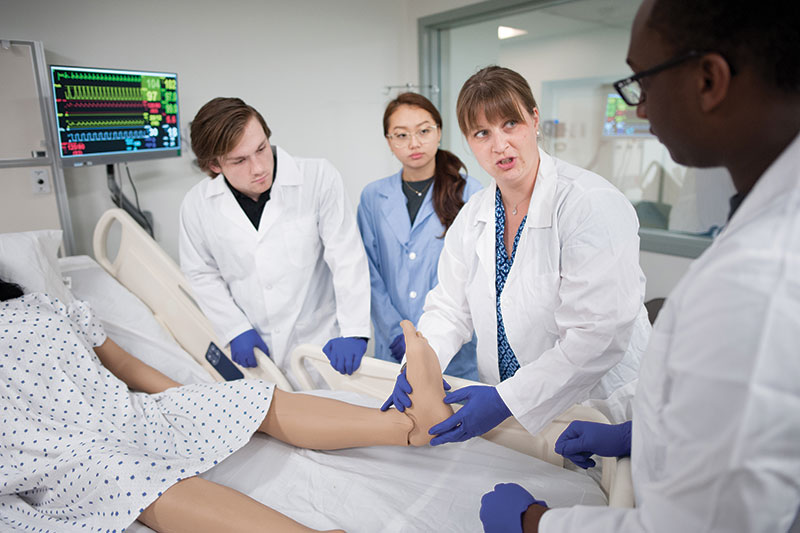
In our mechanical engineering laboratories, we utilize hands-on equipment, which means that students are manipulating the devices to obtain actual data. In general, we do not substitute virtual (i.e. computer simulation) for actual experimentation. We also require design projects in our labs and several of our lecture classes. We are not an ivory tower type institution; this is true of all UNH.
In mechanical engineering, I am working with Stirling engines, which is a hot air engine that can operate on any sufficient heat source. It is a topic of current interest internationally because the heat source can be "green". Stirling Engines could be considered green because you can use alternate energy such as the sun to power it. It was originally patented nearly 200 years ago. You can run a specially designed model on a glass of hot water or a warm hand. The following link goes to a website that we have developed concerning the design of Stirling engines. http://stirlingengineunh.weebly.com/index.html
We definitely have an excellent reputation among major engineering industries in Connecticut. Most local industries employ UNH mechanical engineering graduates (for example, Sikorsky, United Technologies, Covidien; all Connecticut based companies). We have a reputation of graduating students who have hands-on, practical engineering skills who are ready to apply these skills at work.
Put yourself on a schedule and study during your free time but also have time for fun Friday and Saturday. Sunday for studying. Don’t fall behind.
Most of the students in engineering are motivated because it is a very specific program. You have to start right away if you want to be an engineer. Most often the student is a person who knows what they want to do in life, career-wise. If they have trouble, you can help them outside the classroom. These are students who are intrinsically interested in engineering. The challenge is to show the students how to solve a problem, how to think, and then have them do it themselves successfully. We don’t have students who spend most of their time partying. You can't do that in engineering and still graduate.